Koji Kamoji, Yoshio Nakajima and Keiji Uematsu
1 March – 31 May 2026
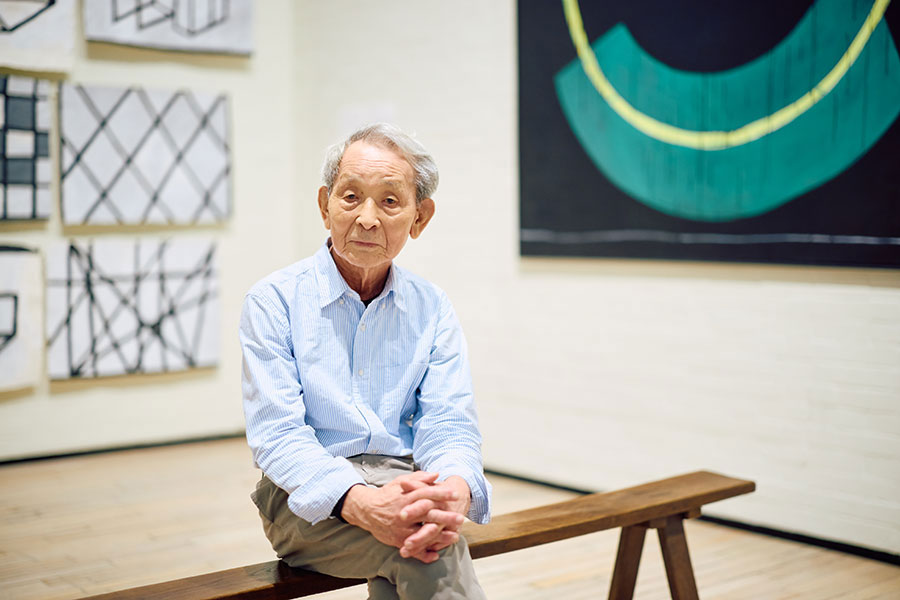
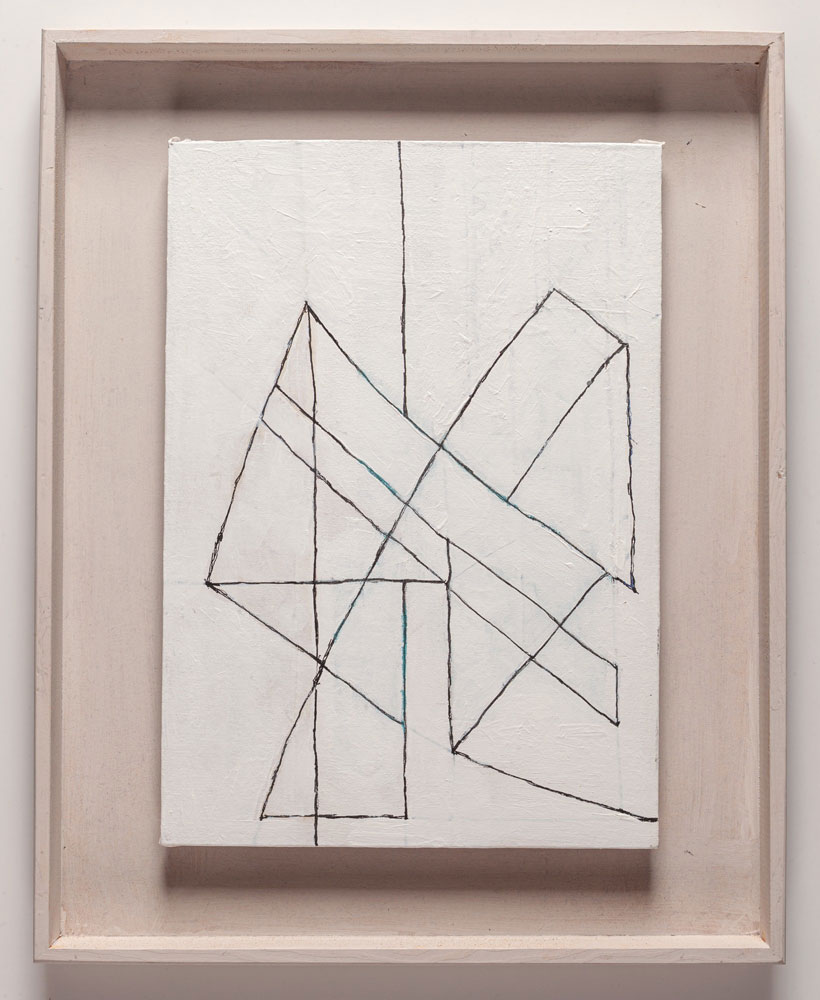
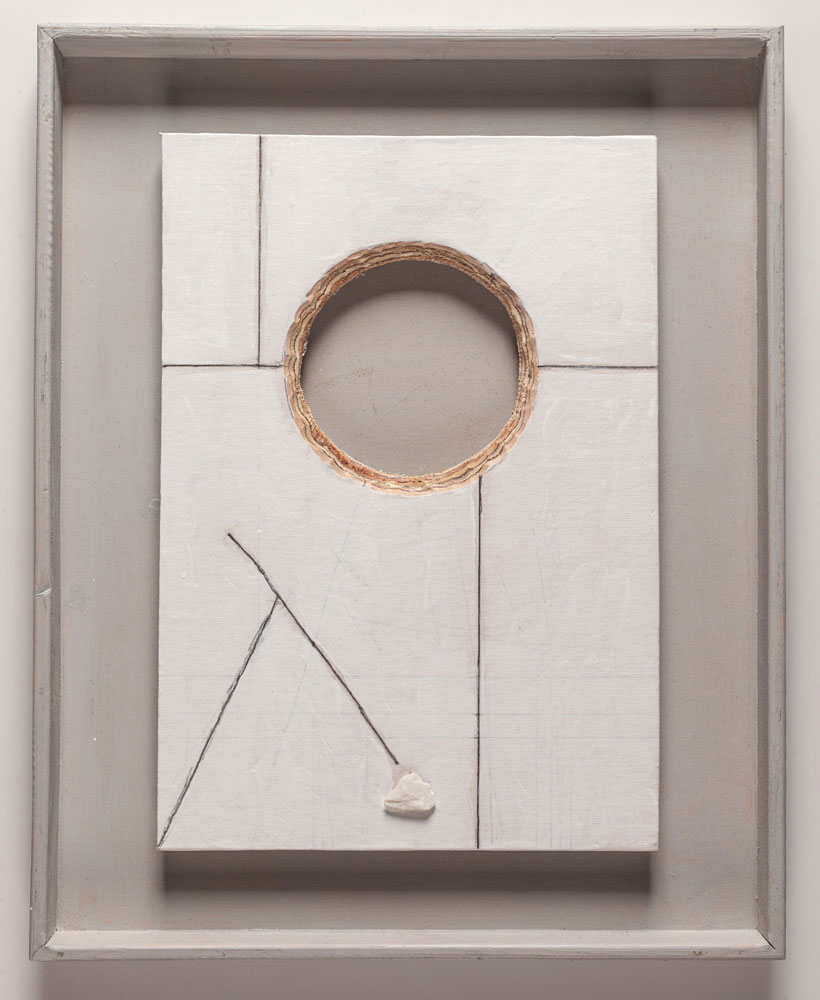
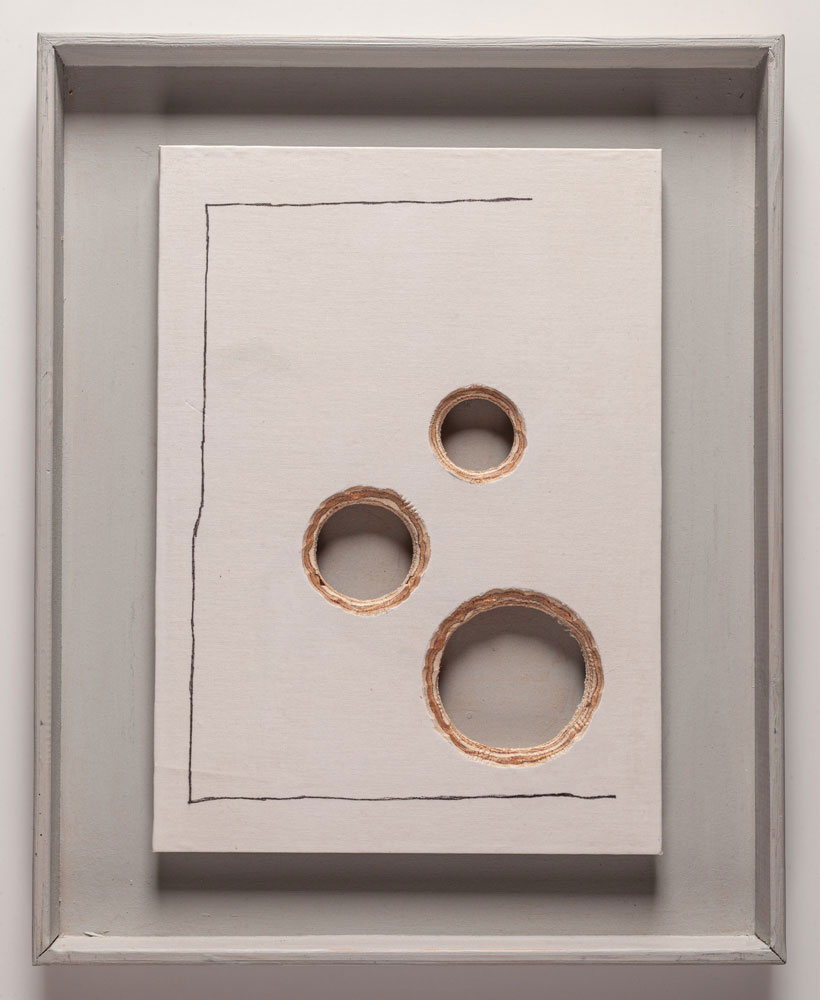
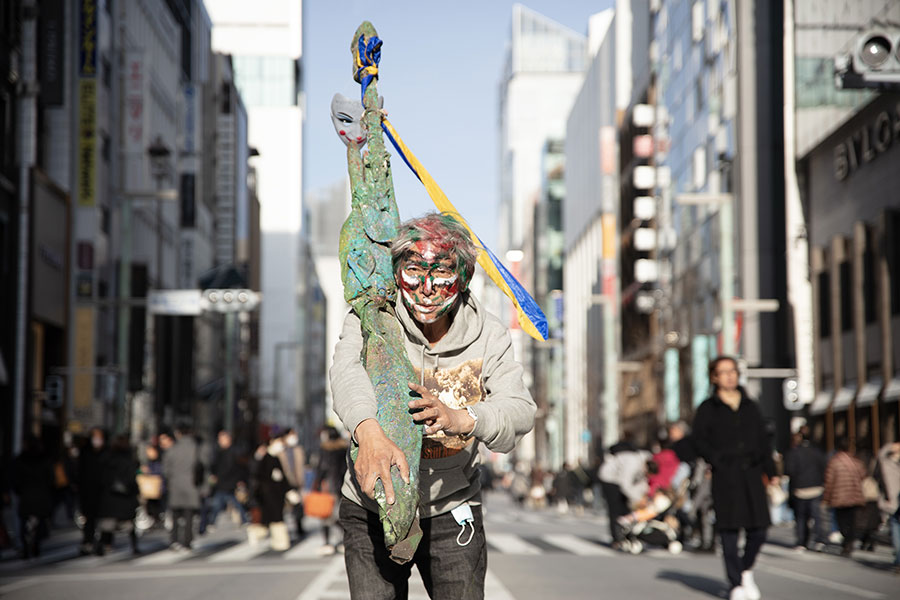
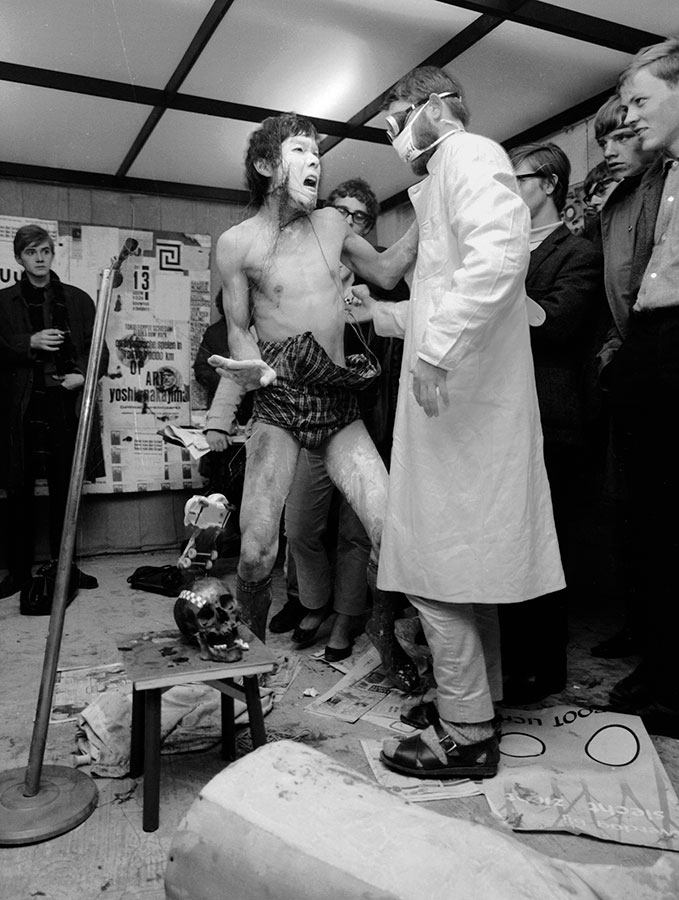
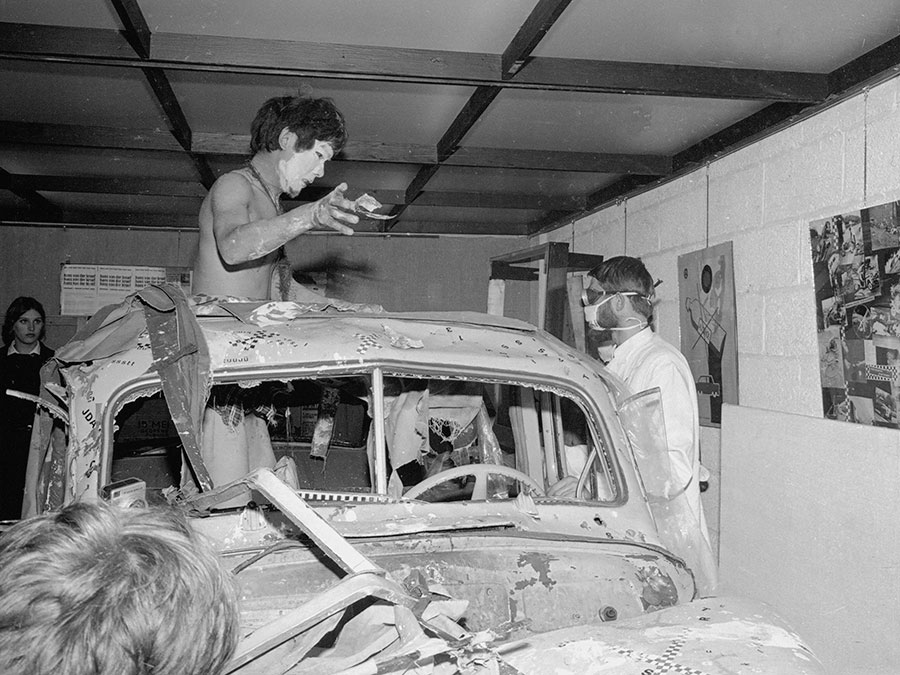
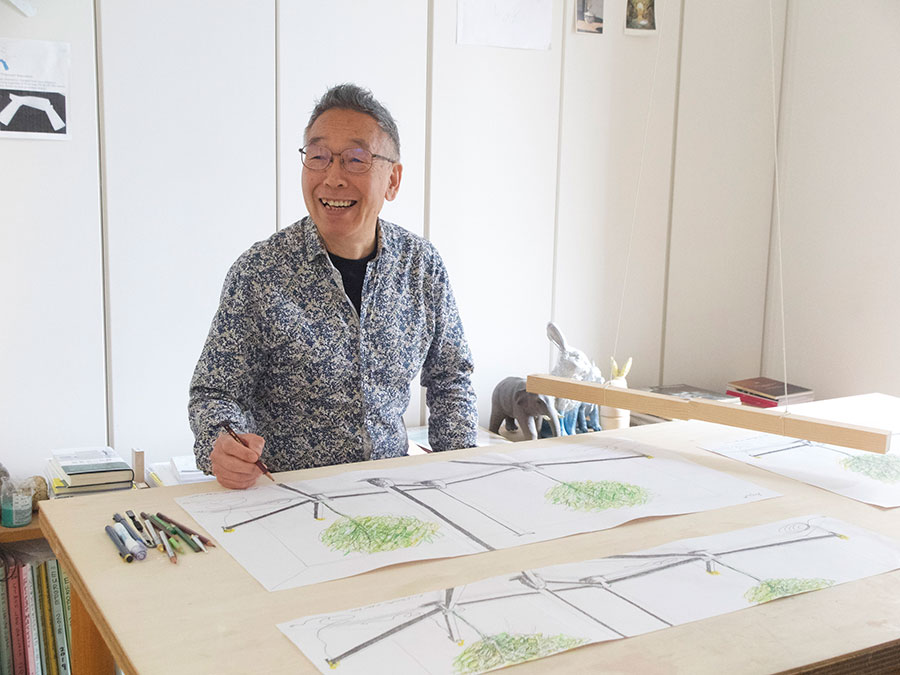
Fot. NMWr press materials
Curators of the exhibition: Iwona Dorota Bigos (PL), Martin Schibli (SE)
This is a presentation of works by three contemporary artists born in Japan, who moved to Europe at the start of their career – Koji Kamoji (b. 1935), Yoshio Nakajima (b. 1940) and Keiji Uematsu (b. 1947). Whilst educated in Japan, they created their artistic work within another culture, becoming important representatives of the contemporary artistic milieu.
Despite the very lively avant-garde, now legendary, artistic scene of the 1950s and the 1960s in Japan, many young artists decided to emigrate to Europe and the United States. Kamoji, Nakajima and Uematsu left their country during the Cold War, and settled down in diverse locations and geopolitical contexts – Kamoji in Poland, Nakajima in Sweden, and Uematsu in the then West Germany.
From an artistic viewpoint, all three share an interest in philosophy and Nature, as well as the genealogy of conceptual art, along with their involvement in site-specific actions using exhibition space, yet each of them creates artistic work of a different kind.
The selection of exhibits was carried out in close cooperation between curators and artists themselves, thus the exhibition showcases some older pieces of work, as well as those contemporary, and the very latest – in fact Yoshio Nakajima completed one of his works right in front of the audience gathered at its opening.
Real. Sabin Kluszczyński
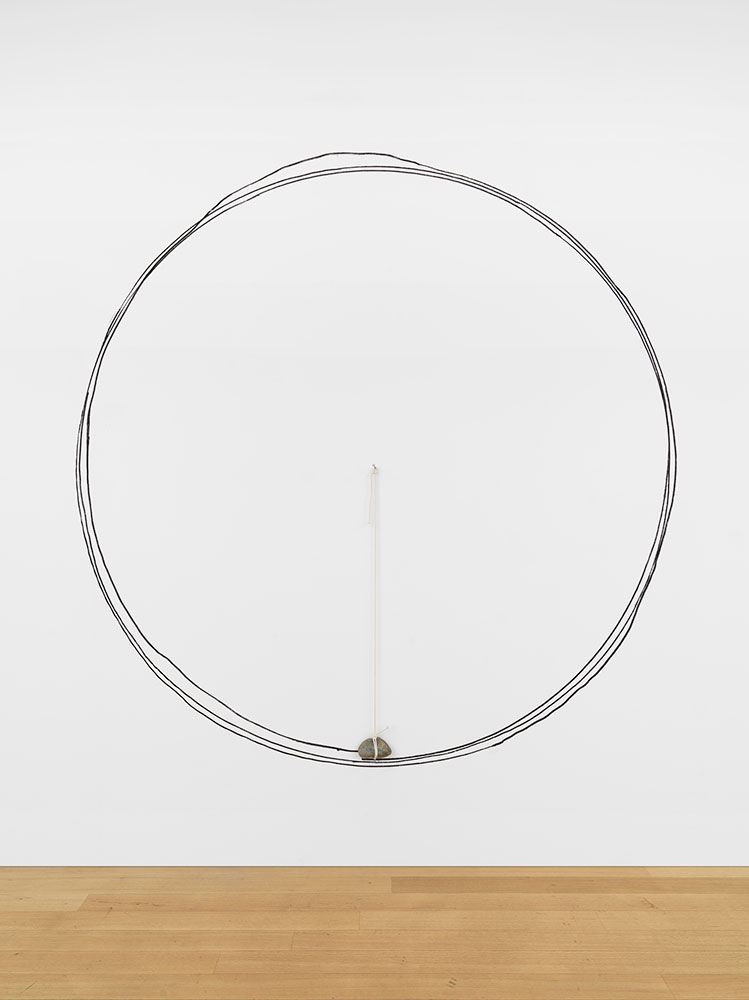
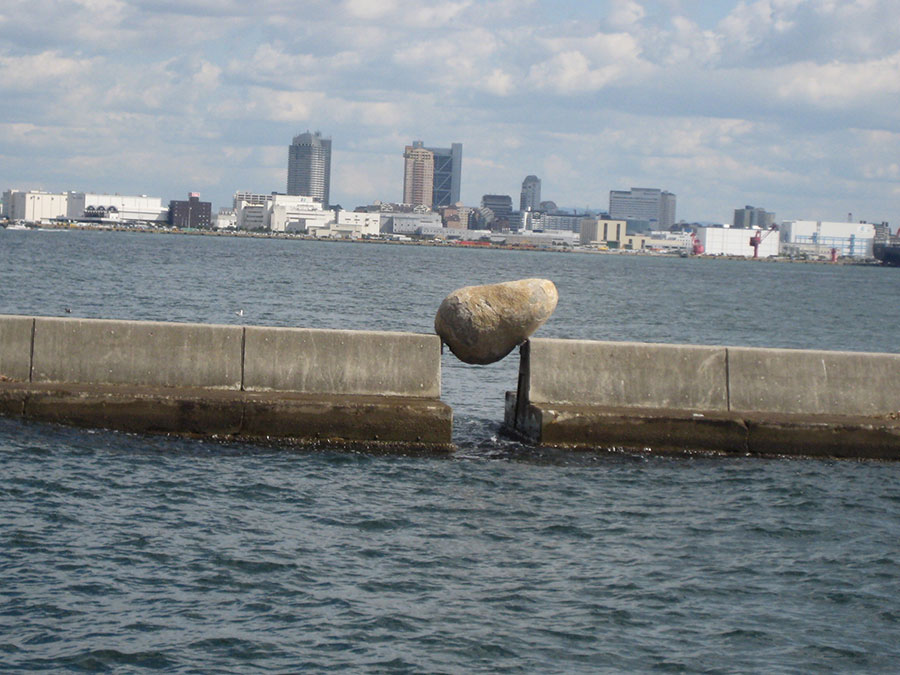
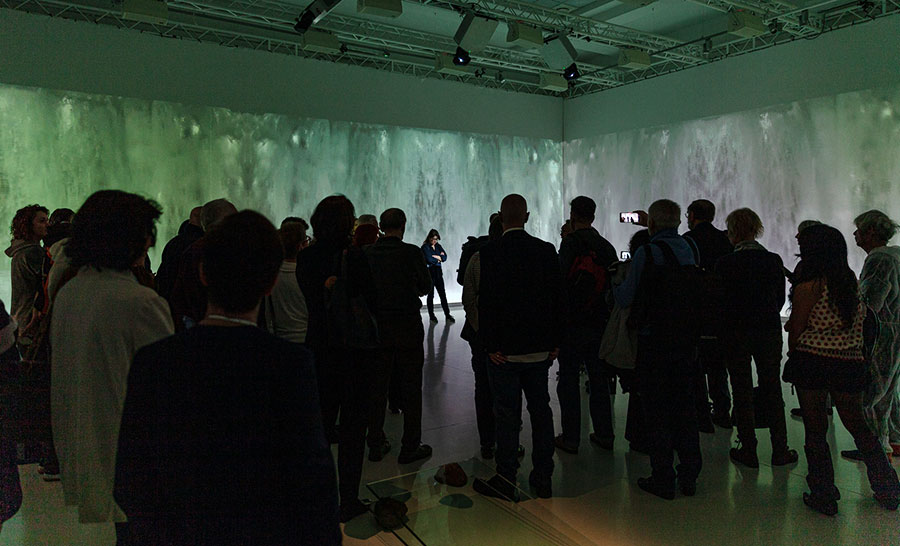
The exhibition comprises various artistic media, from painting, drawing, sculpture, film and photography, to records of performances. The first section of the exhibition is of a contemplative character, providing an opportunity for direct confrontation with works created by Keiji Uematsu and Koji Kamoji. Visitors can watch a large-screen video presentation in which Uematsu addresses one of the main subjects recurring in his art – the invisible, yet fundamental force of gravity. Another of his pieces, which may surprise its audience, is the glass-and-stone object, defying the laws of physics. This section also includes photograph and film realisations by Uematsu, accompanied by a meditative sound element of a countdown recited in Japanese.
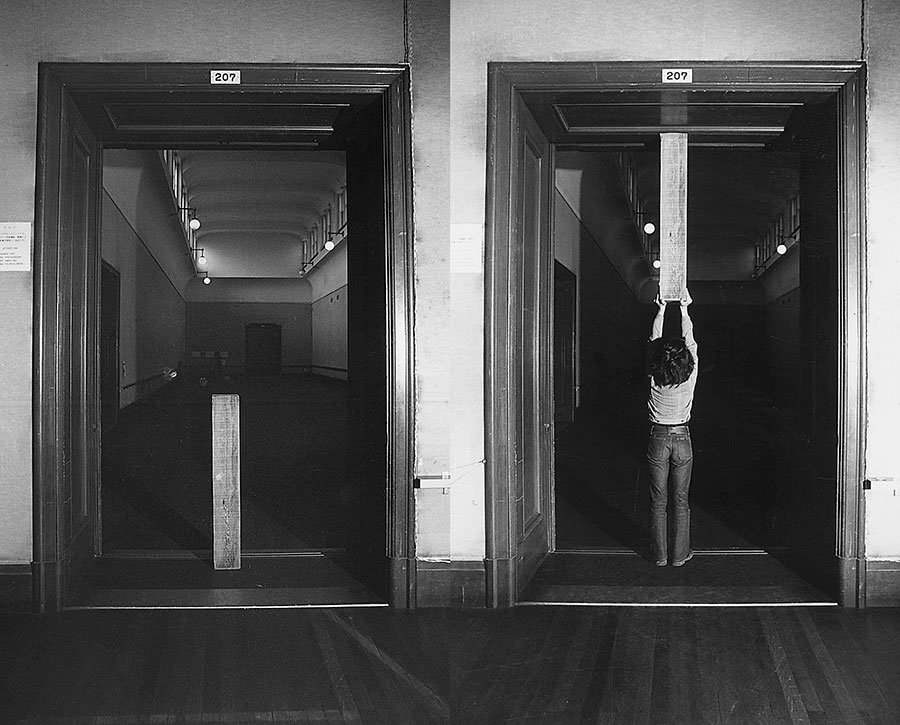
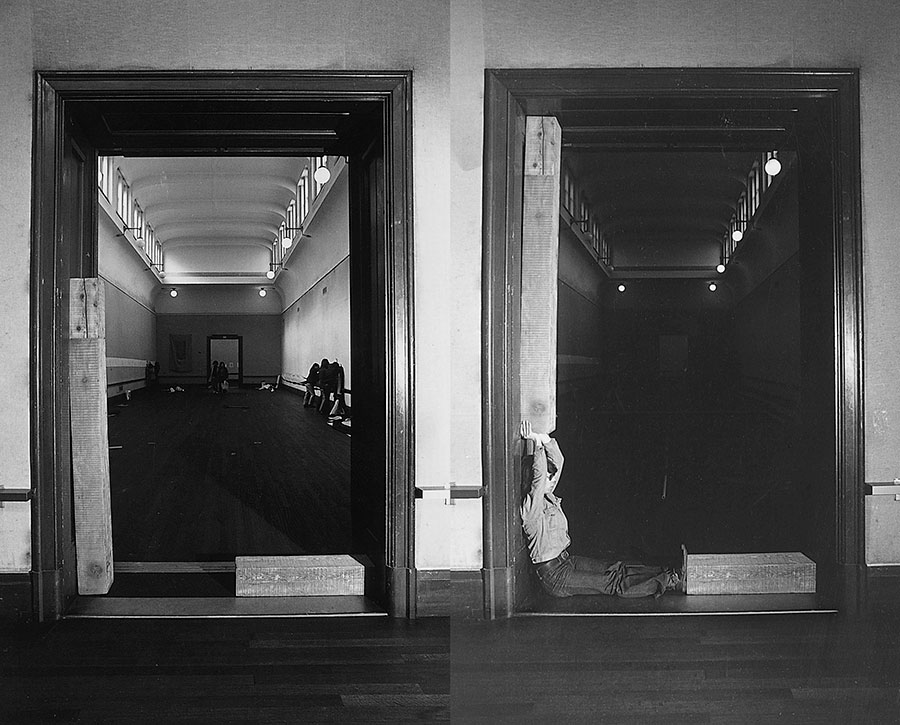
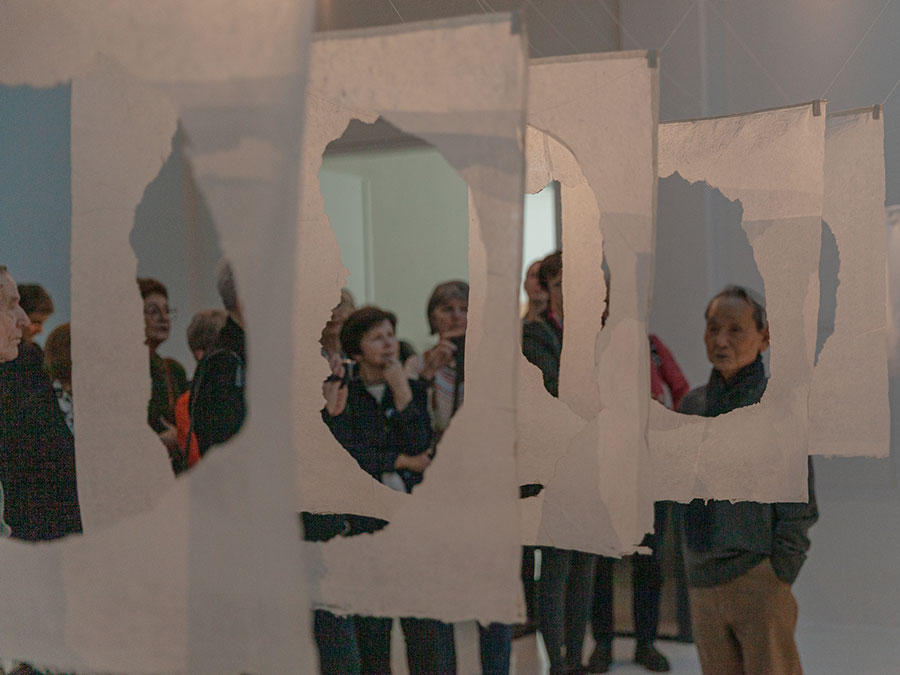
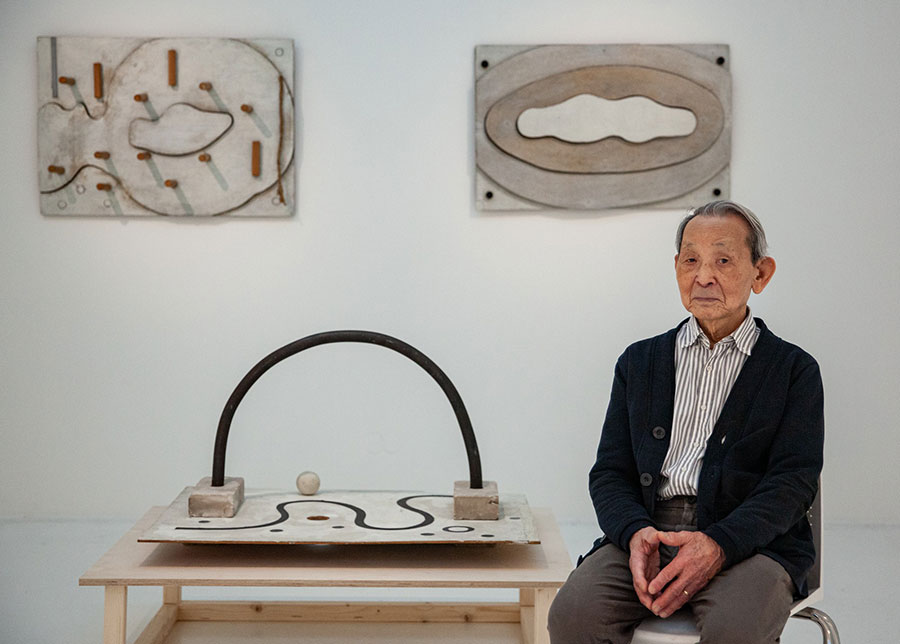
The exhibition showcases a cross-section selection of works by Koji Kamoji, among which an ephemeral paper installation Draught (1975), and a drawn Tombstone, the project, accompanied by some letters by the artist (2024). Another, and the most extensive installation, was constructed using black-and-white drawings dated 2011–2025, which Kamoji regularly makes on paper, combining elements of traditional Japanese calligraphy with European abstraction. There are also pieces created using simple materials, such as wood, stones, and metal, representing minimalism typical of his art. This is also the first showing of works included in the series
“木と風 / Tree and wind”, prepared by Kamoji especially for the Wrocław exhibition.
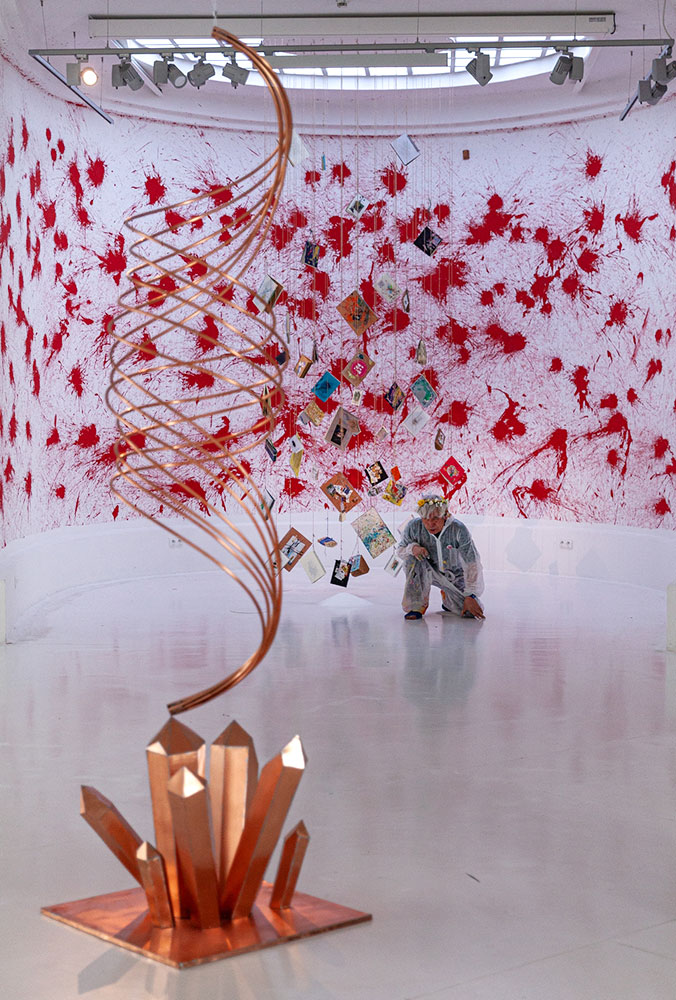
The encounter of the three exhibiting artists takes place in the West Dome of the Four Domes Pavilion, showing sculptural and painted installations, along with video clips.
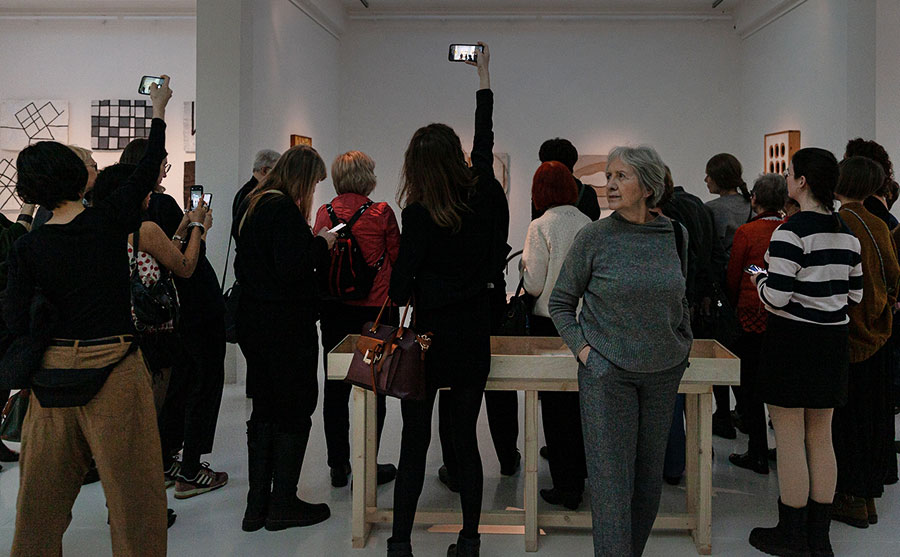
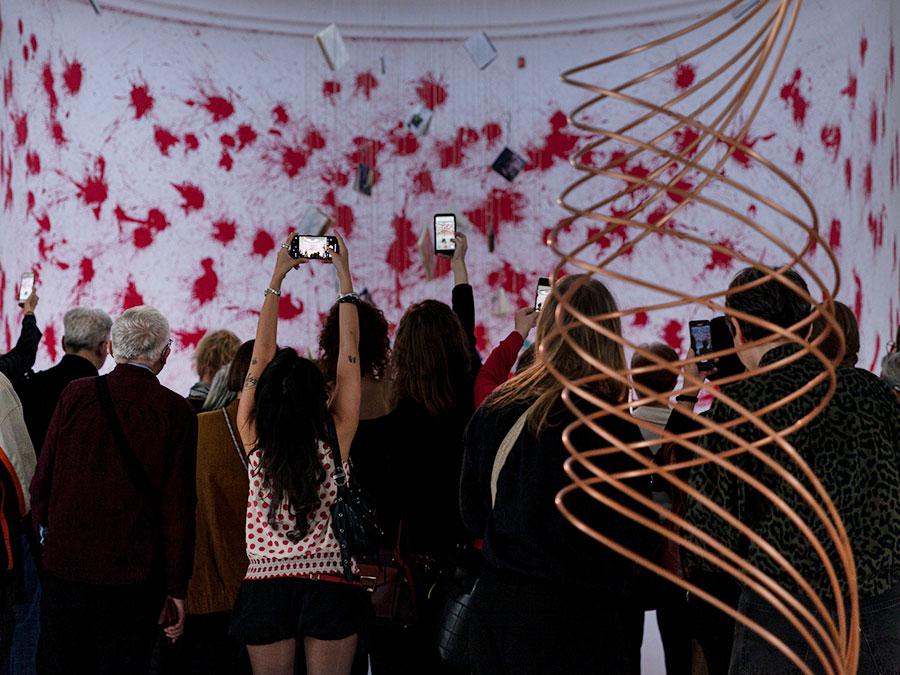
↡ Photo report from the opening
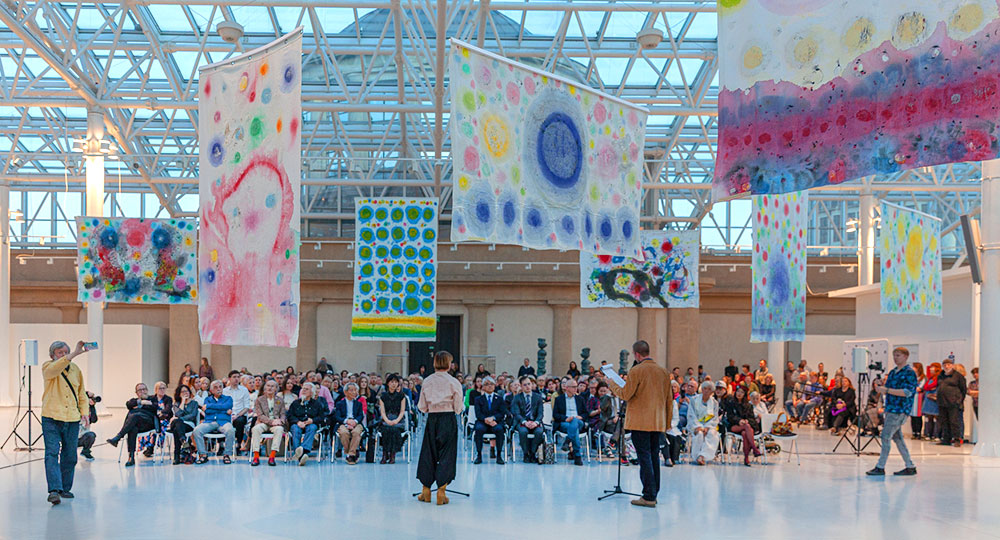
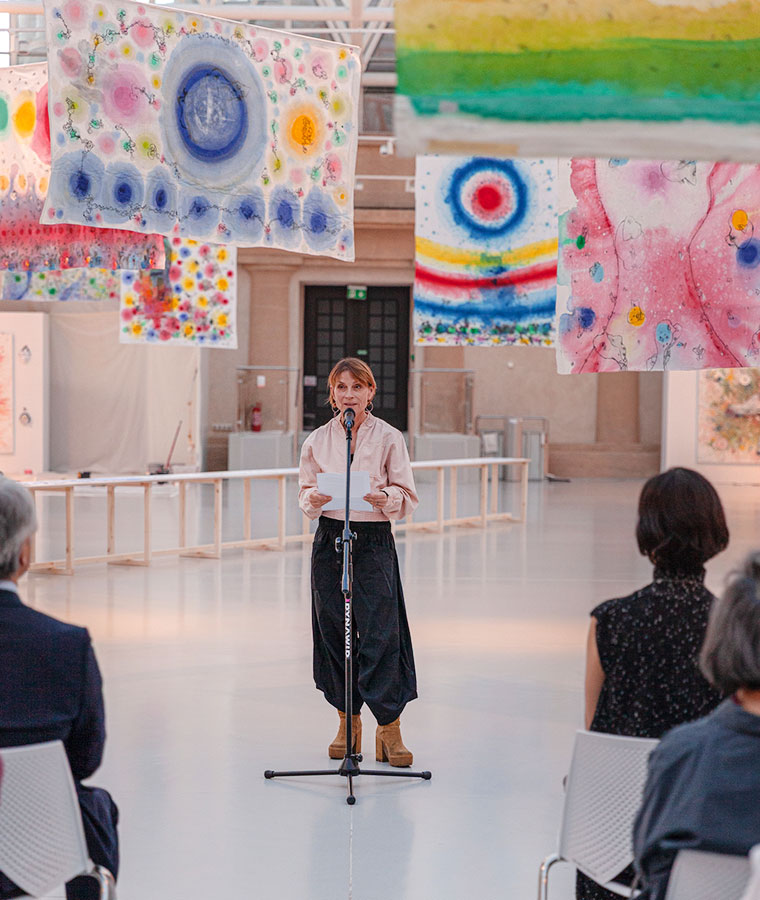
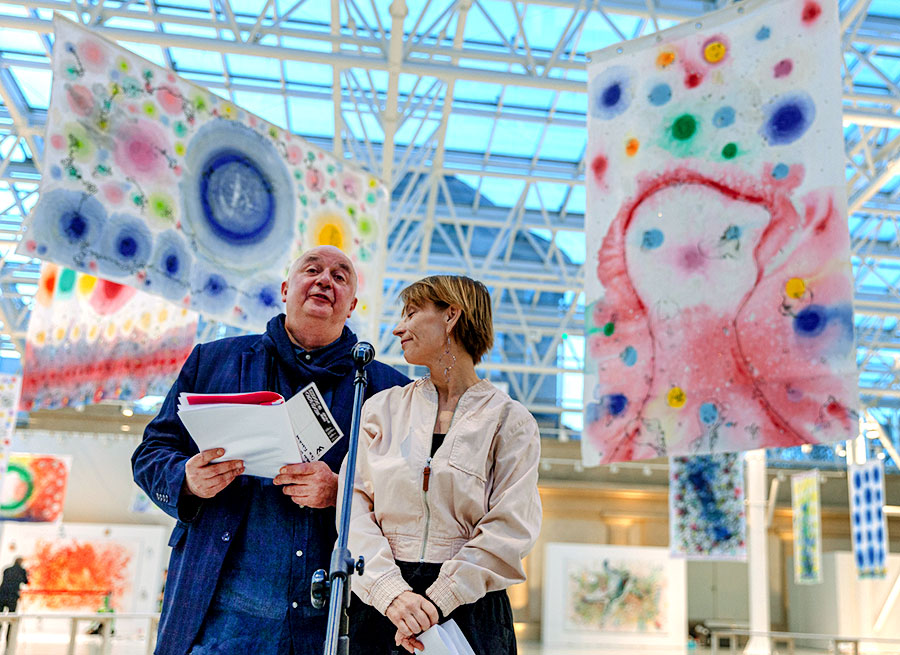
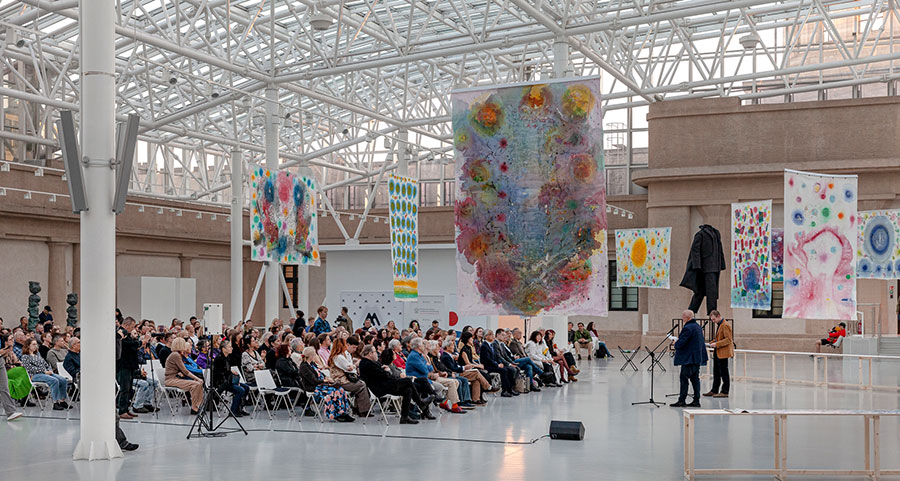
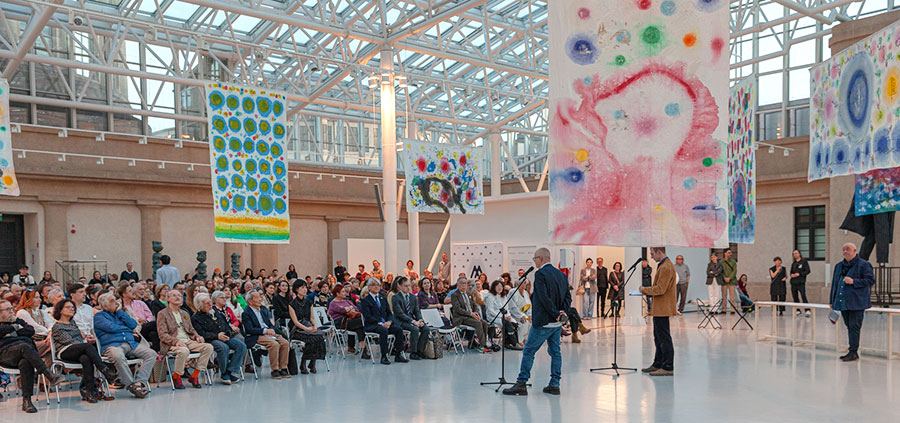
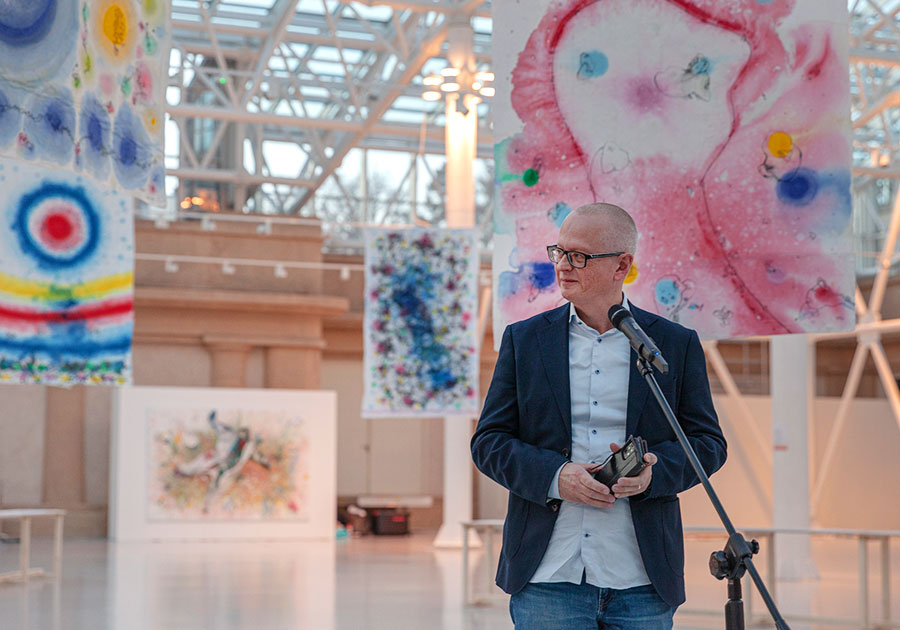
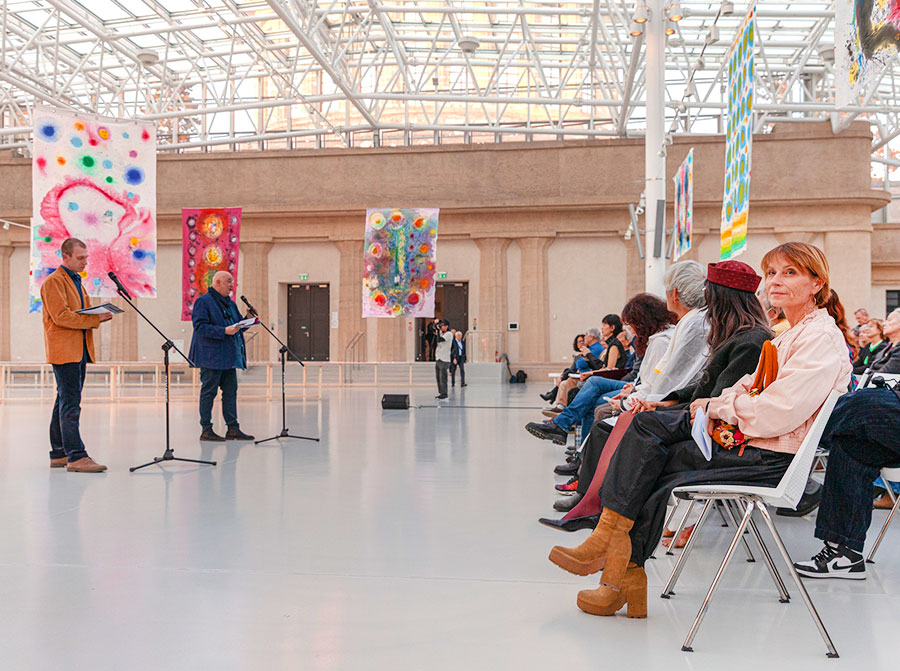
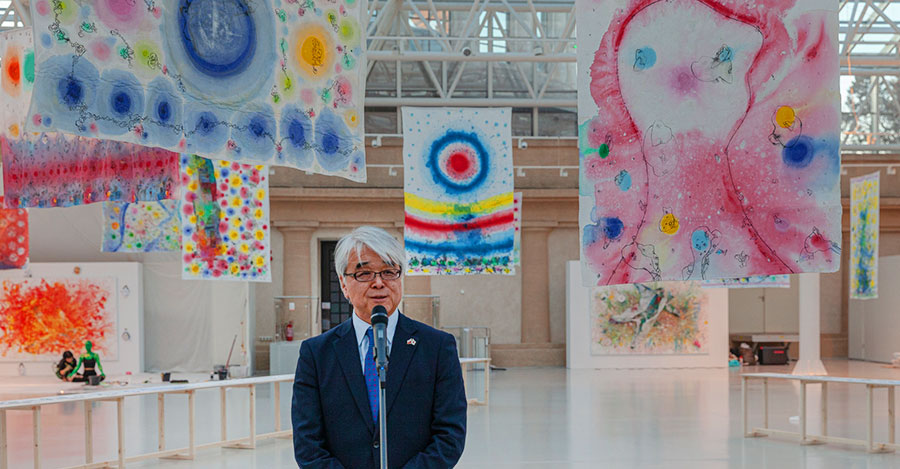
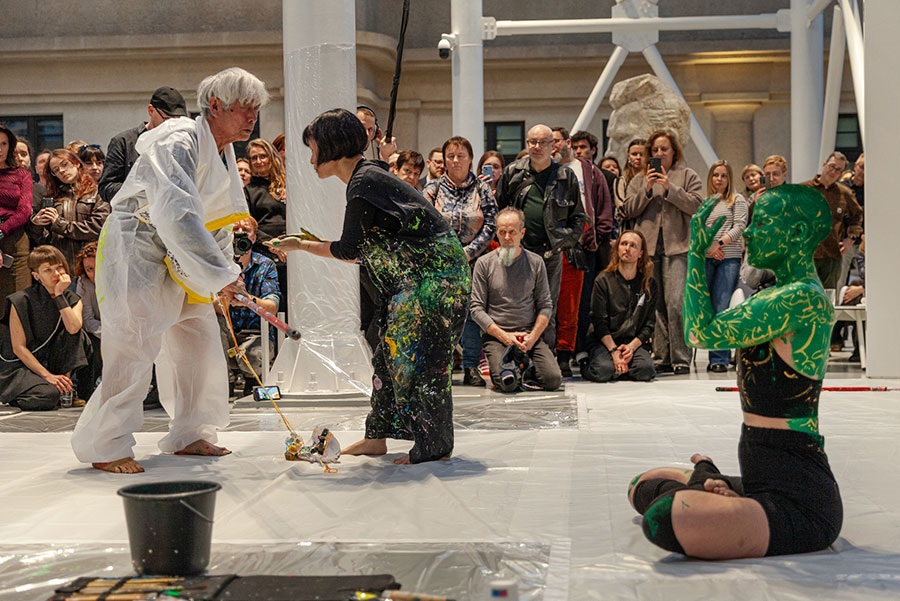
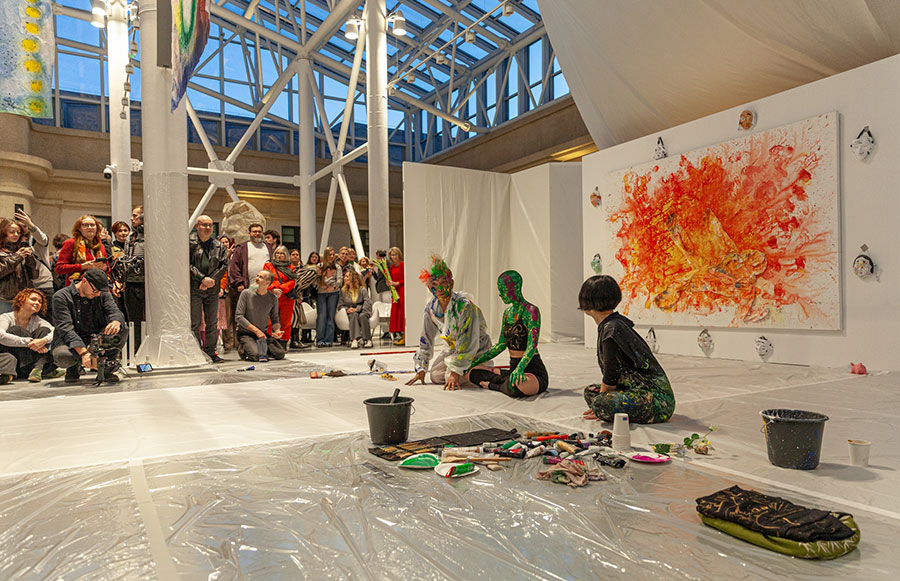
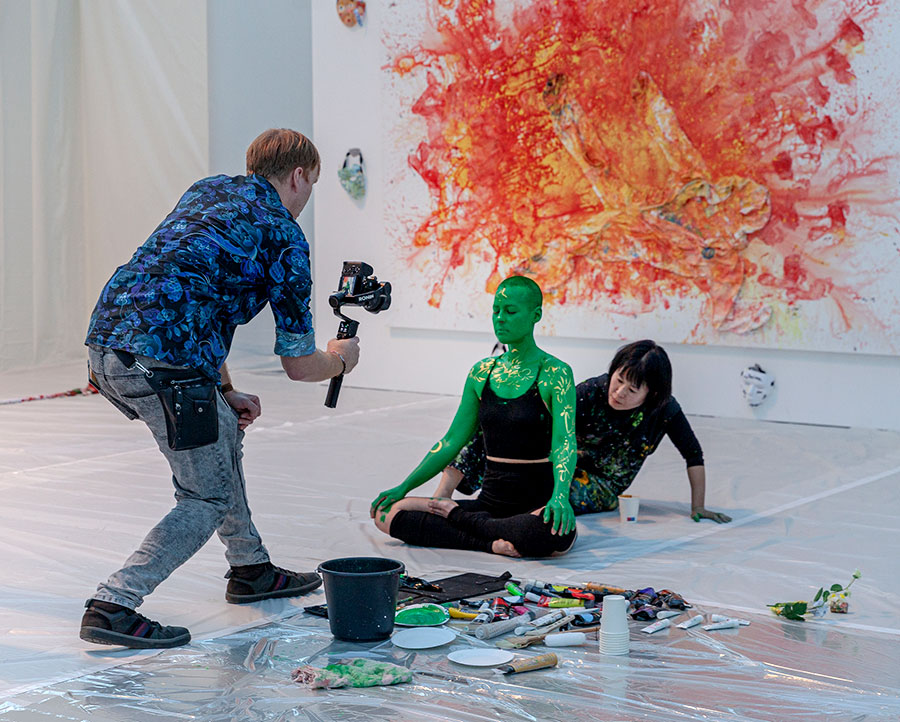
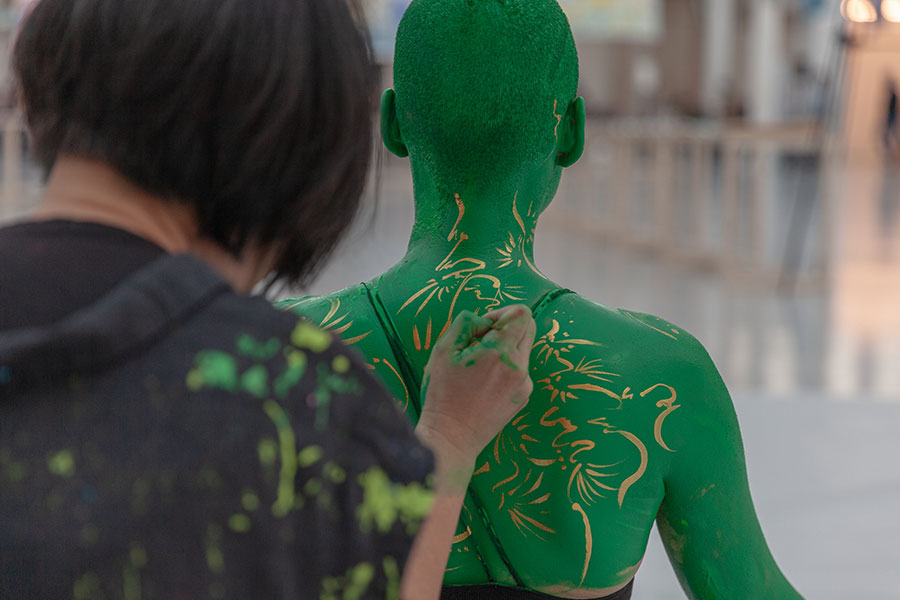
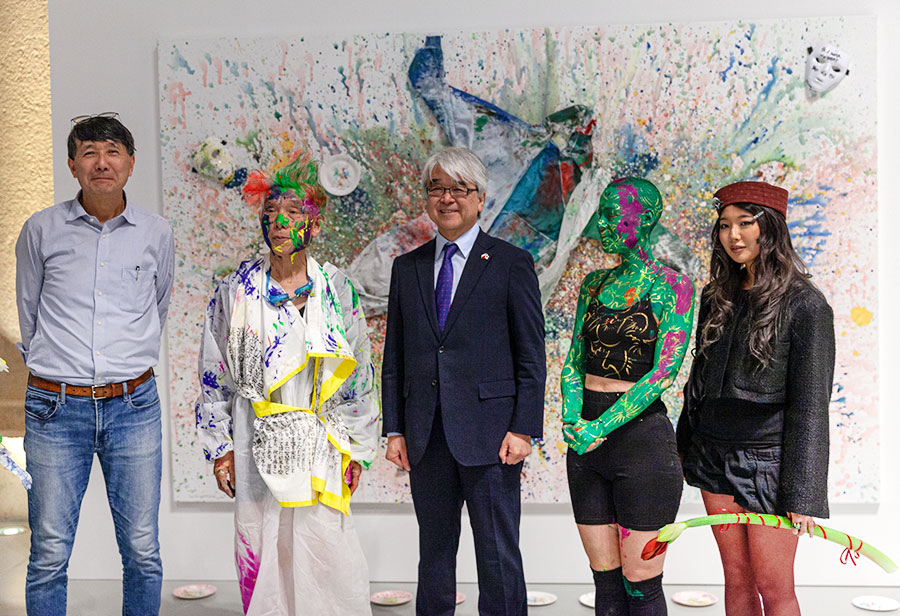
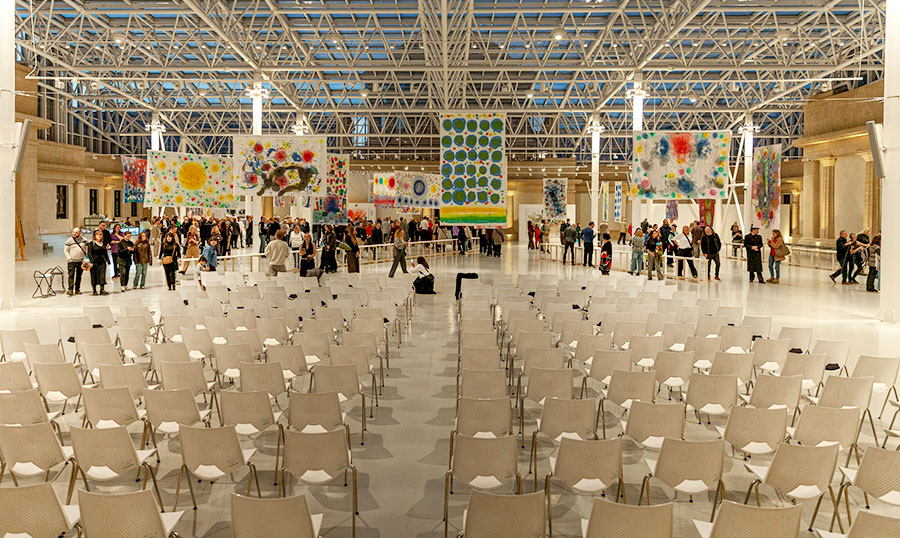
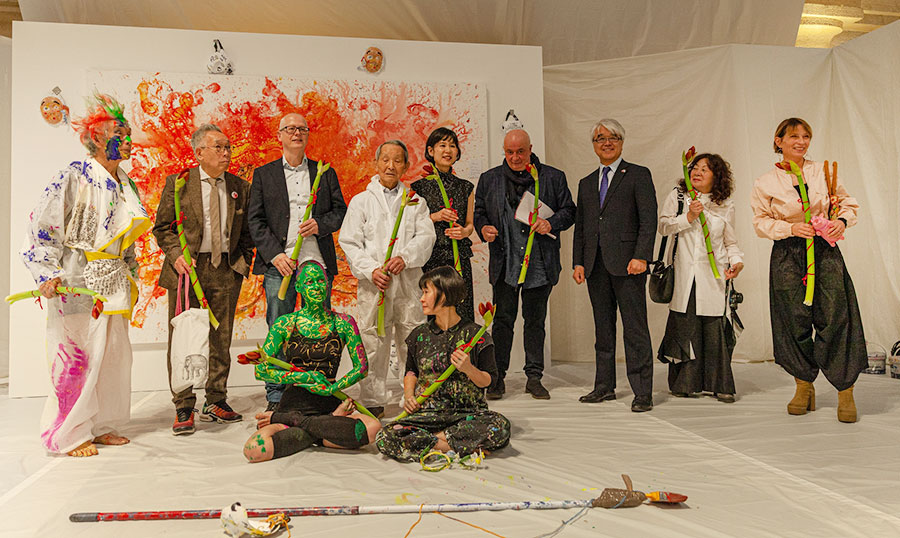
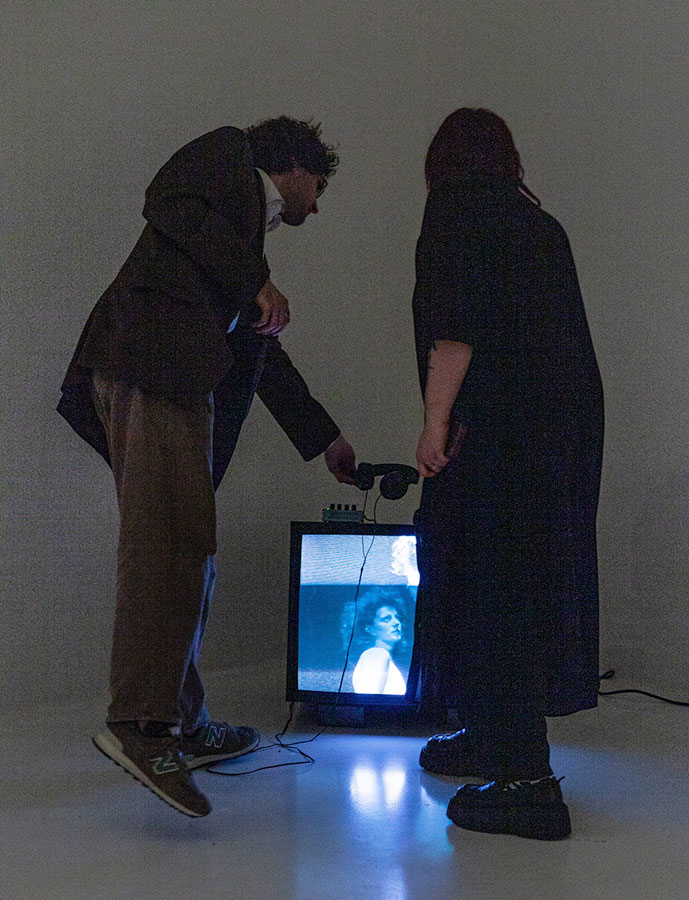
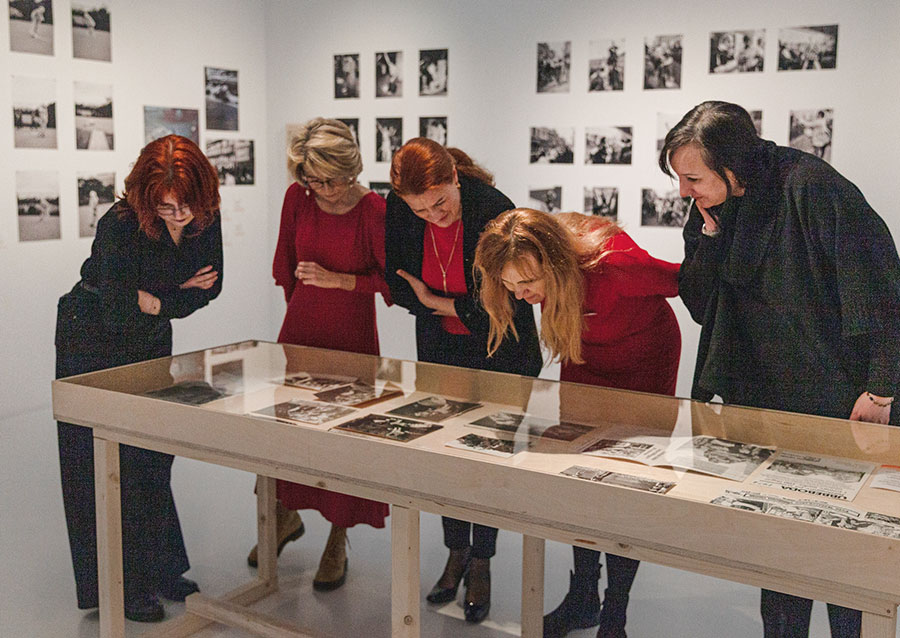
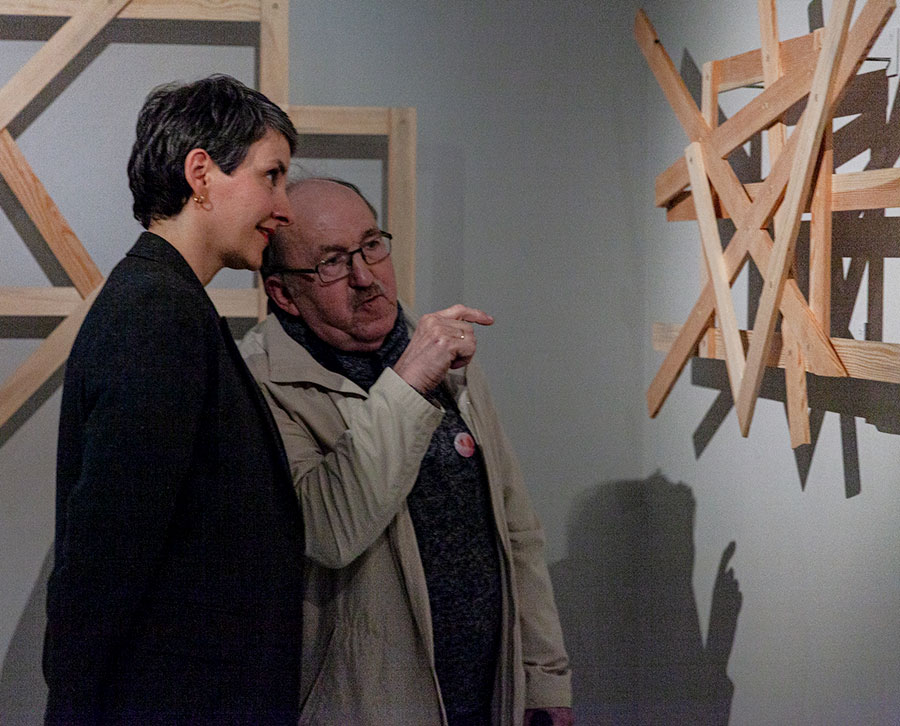
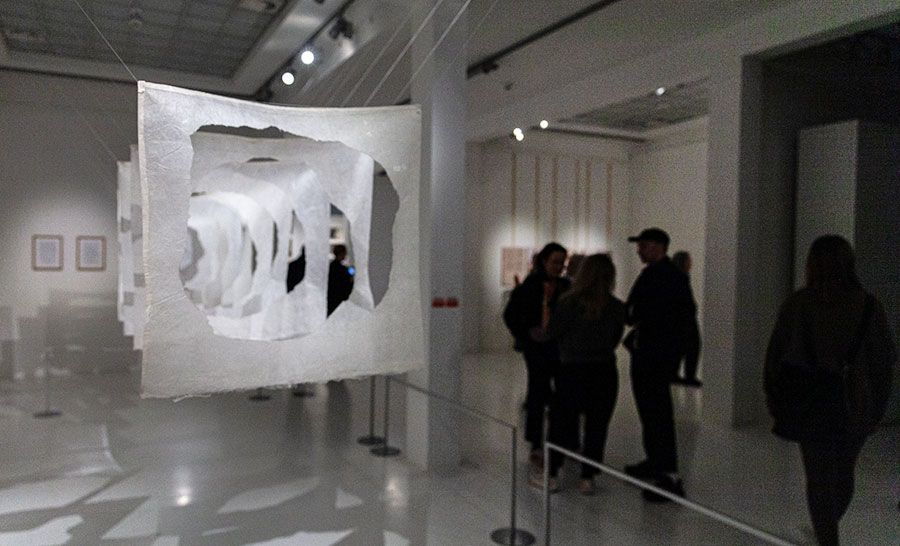
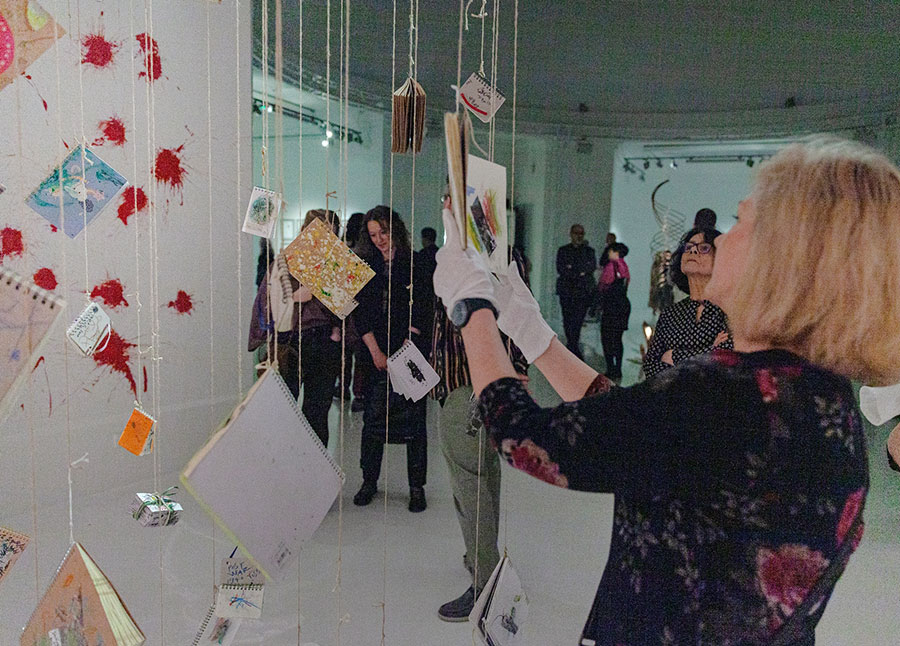
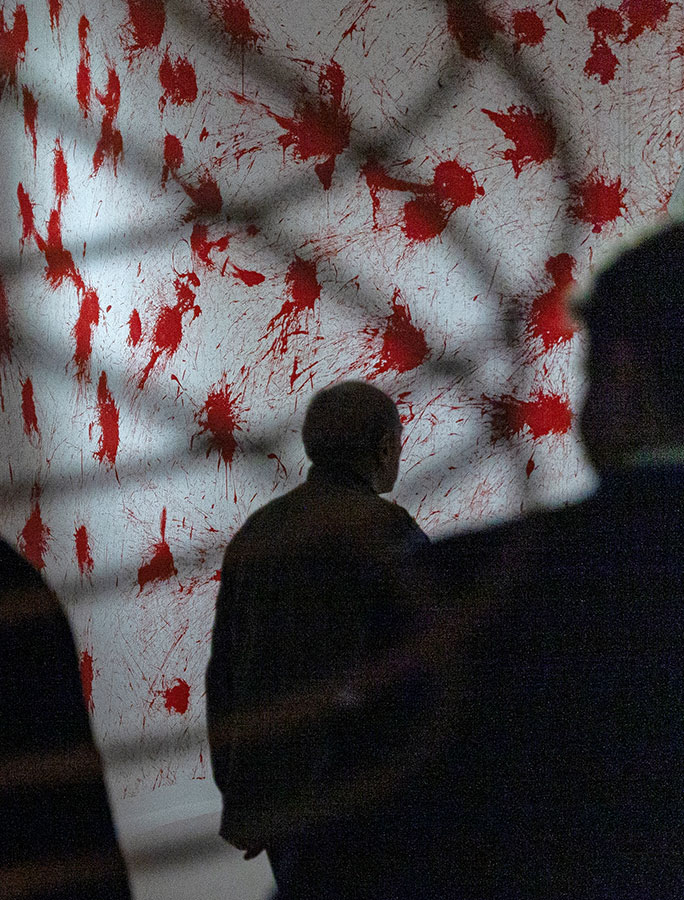
Fot. Arkadiusz Podstawka
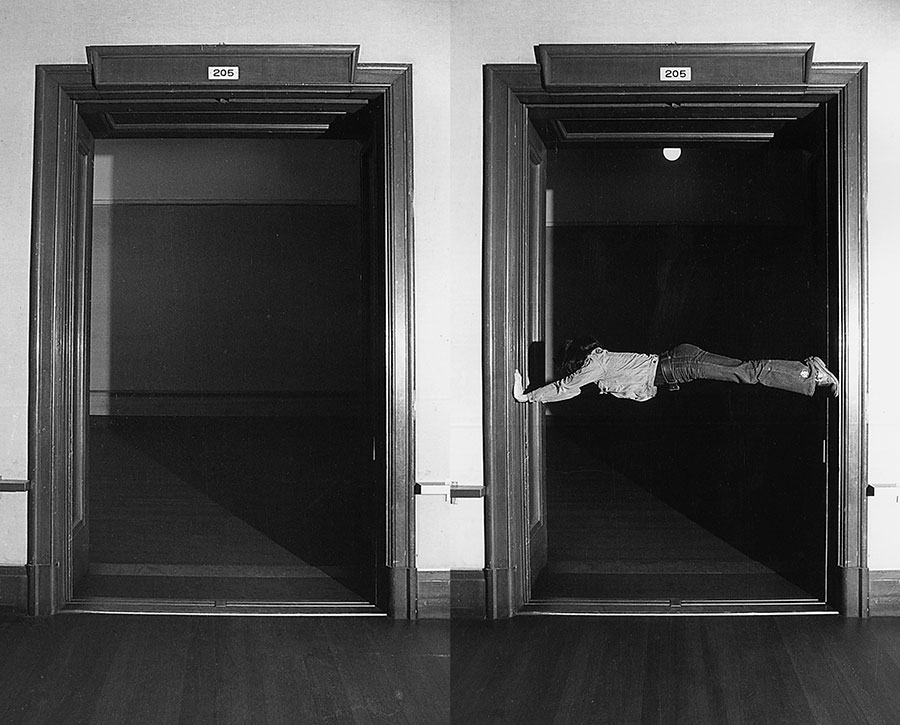
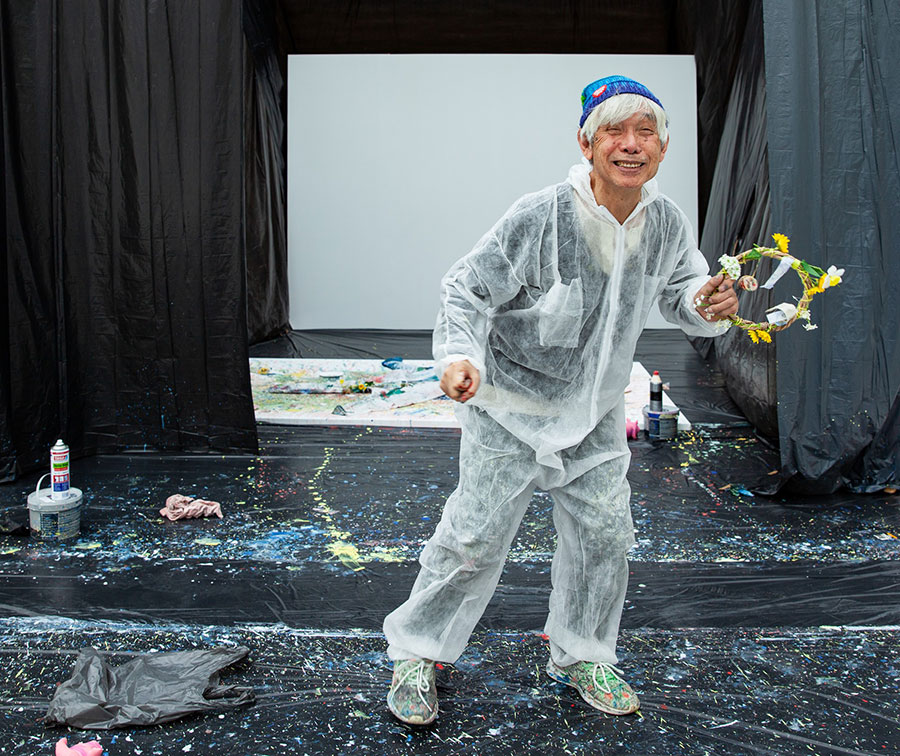
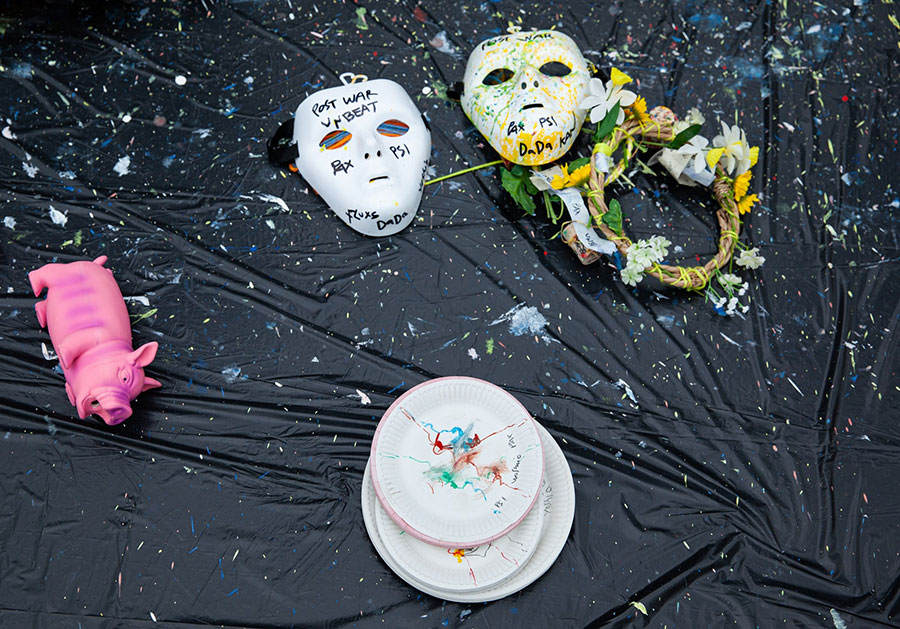
A substantial part of the exhibition centres on the biographical and documentary material, as well as more detailed presentation of the artistic activity of Keiji Uematsu and Koji Kamoji, going beyond the works on display. The largest part of this section is dedicated to the performance art of Yoshio Nakajima. The range of subjects addressed by the artist has evolved from warnings about the threats facing Earth and critique of consumerism, towards the painted realisations combined with performances, making references to the symbolism of the Sun. The exhibition space contains a wealth of illustrations documenting happenings and social events which constitute a highly relevant part of the artist’s work – from his first shows connected with the radical arts scene of 1950s Tokyo, and actions organised in Rotterdam and Antwerp in the 1960s, where he introduced a happening onto the local arts. These were followed by his activity in Göteborg and in a small village in southern Sweden, where in the early 1970s he established the Ubbeboda Art Center as a meeting place for artists from around the world.
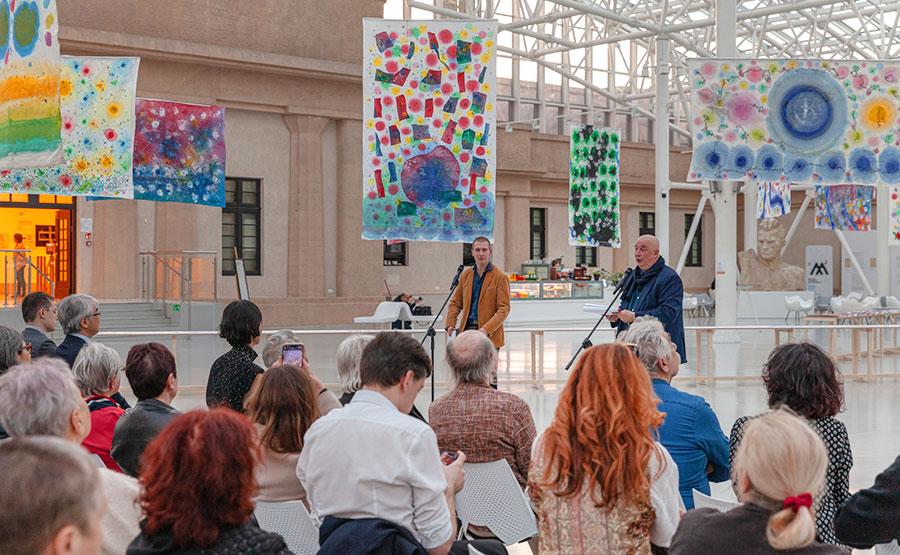
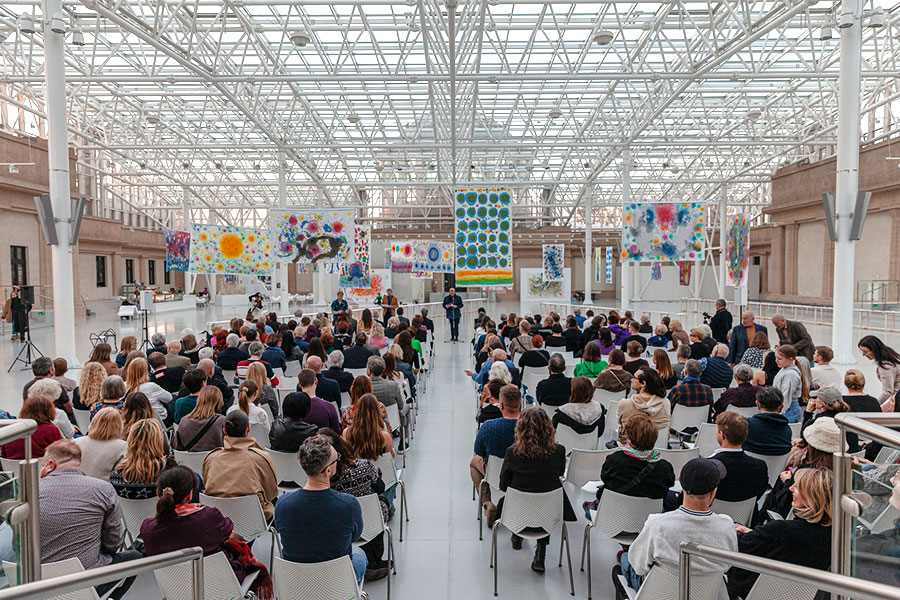
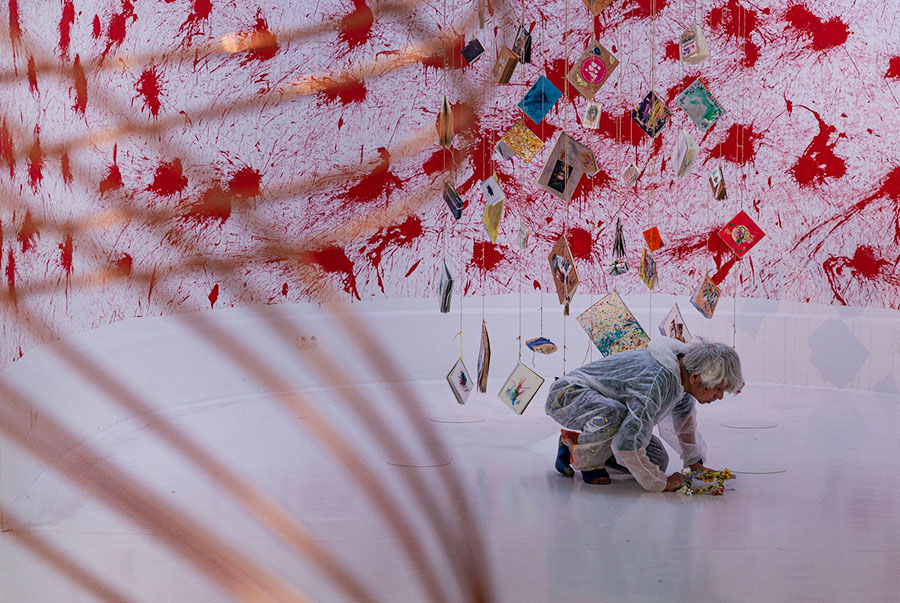
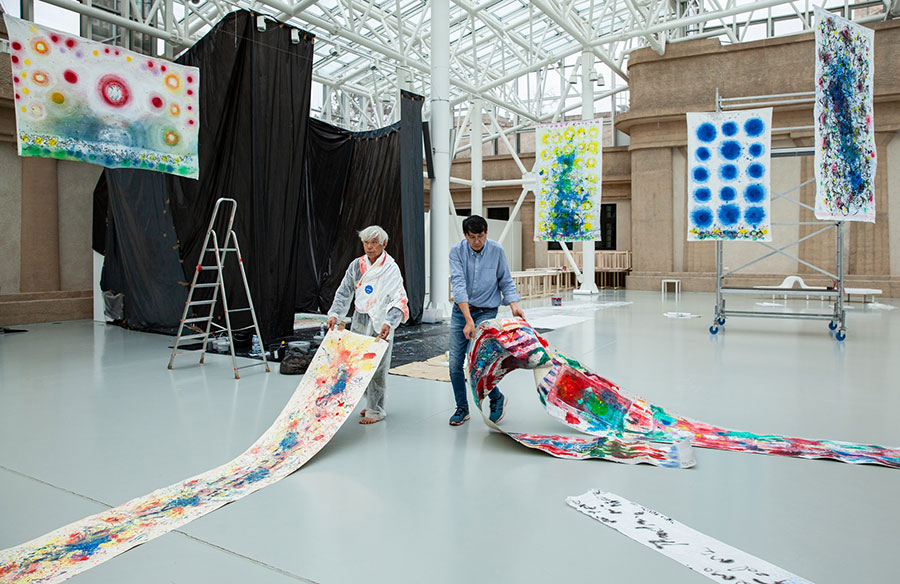
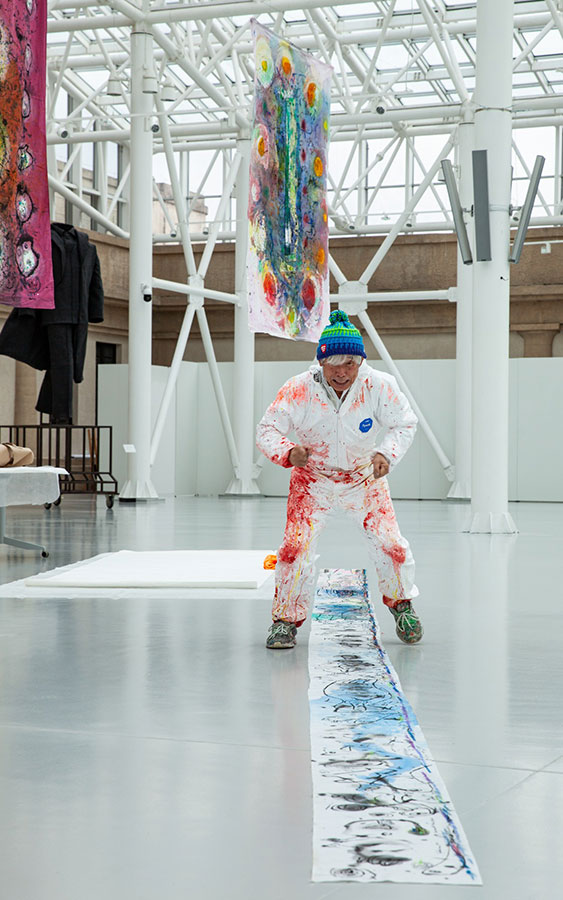
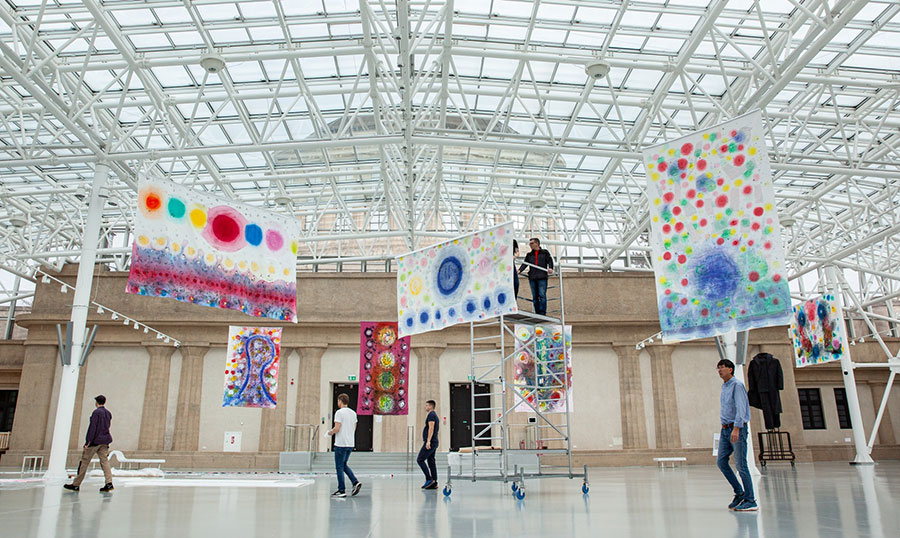
The last part of this Japanese presentation is the epilogue in the form of a multi-part painted installation by Yoshio Nakajima displayed in the courtyard of the Four Domes Pavilion. The artist commenced work on this piece a few days before the start of the exhibition, and completed it during its official opening, thus enabling visitors to participate in the performance/painting act of artistic creation.
The artists were supported in the exhibition by: Naoko Kamoji, Nobuko Watanabe and Chika Fukoshima.
The exhibition is accompanied by a catalogue.
Real. Hubert Pokrandt
Piotr Oszczanowski, Director of the National Museum in Wrocław:
The year 2026 marks the tenth anniversary of the opening of the youngest branch of the MNWr, namely the Museum of Contemporary Art located in the splendid interiors of the Four Domes Pavilion. This unique space provides us with an opportunity to present the most important artistic phenomena in Polish and international art of the 20th and 21st cent. The National Museum in Wrocław makes consistent use of this privilege, and our latest exhibition entitled “Sunrise in the West” represents one such endeavour. This transcultural meeting, to which we invited three artists originating from Japan, is a truly fascinating event. Each of them, already in their early years, made the decision to emigrate to Europe, which had a significant impact on their artistic development. Their artistic work is often interpreted through the prism of their Japanese origins, whilst this exhibition demonstrates that the transfer to another cultural context enabled them to develop their own unique style, which combines Japanese traditions with progressive Conceptualism and Actionism practiced in the West. The importance of this exhibition is further confirmed by the honorary patronage of His Excellency Akira Kono, Ambassador of Japan in Poland, for which we are deeply grateful and honoured.
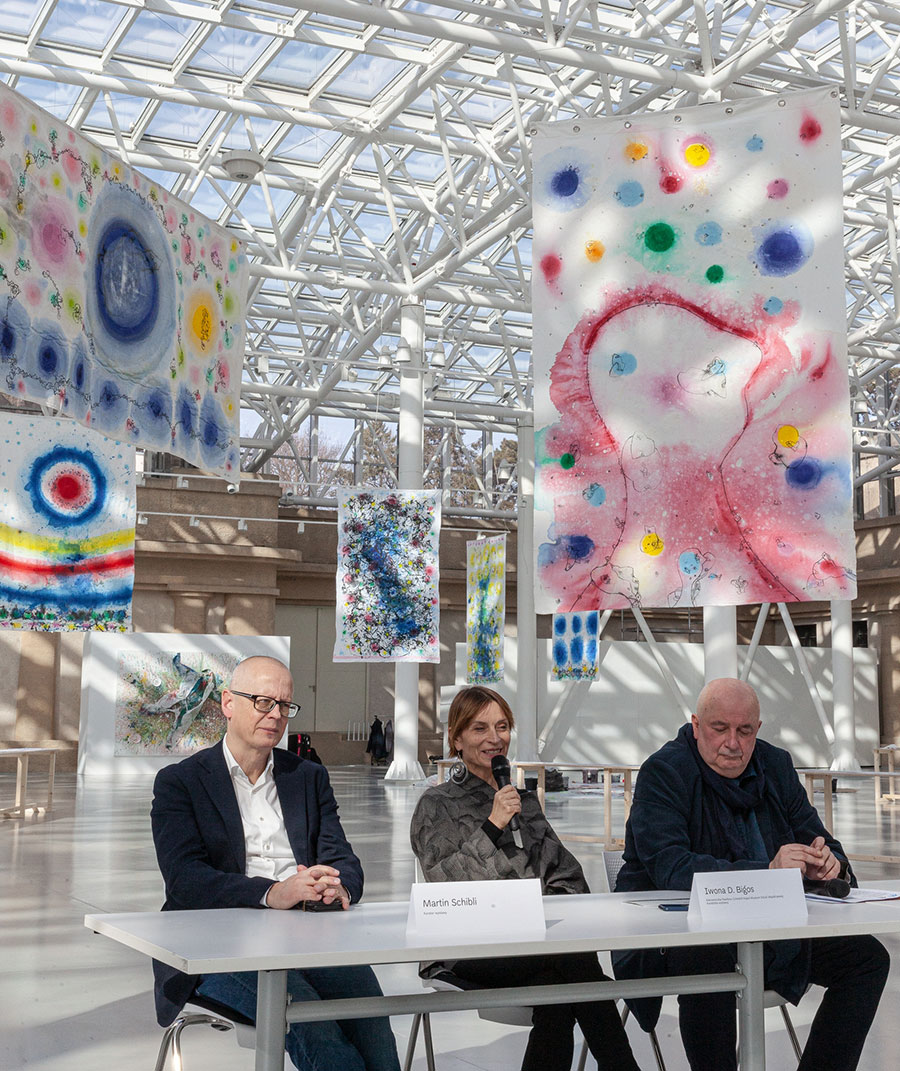
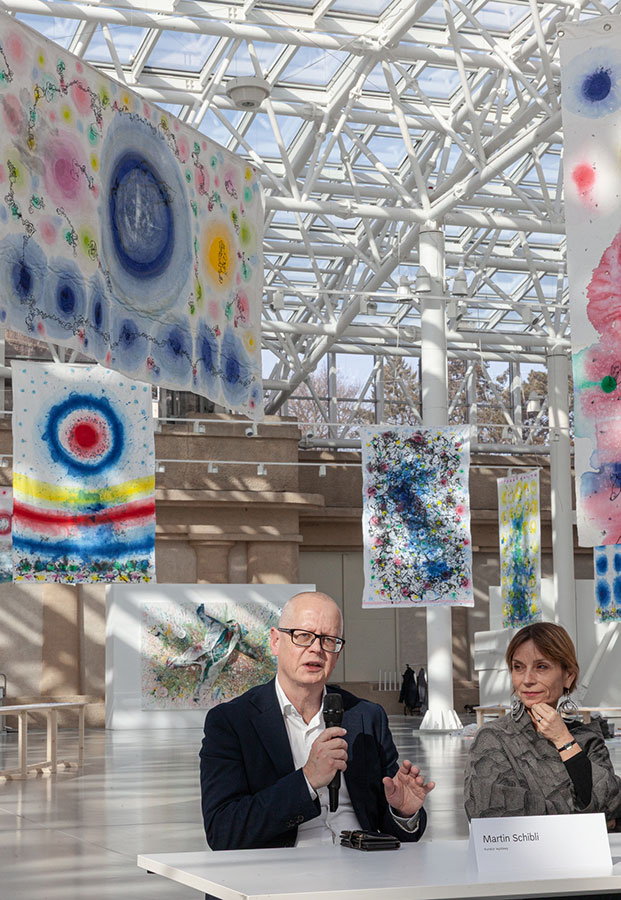
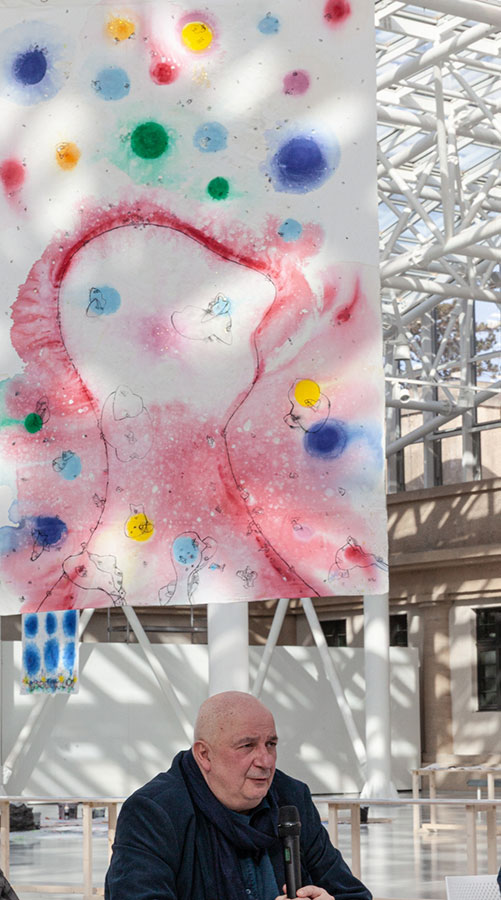
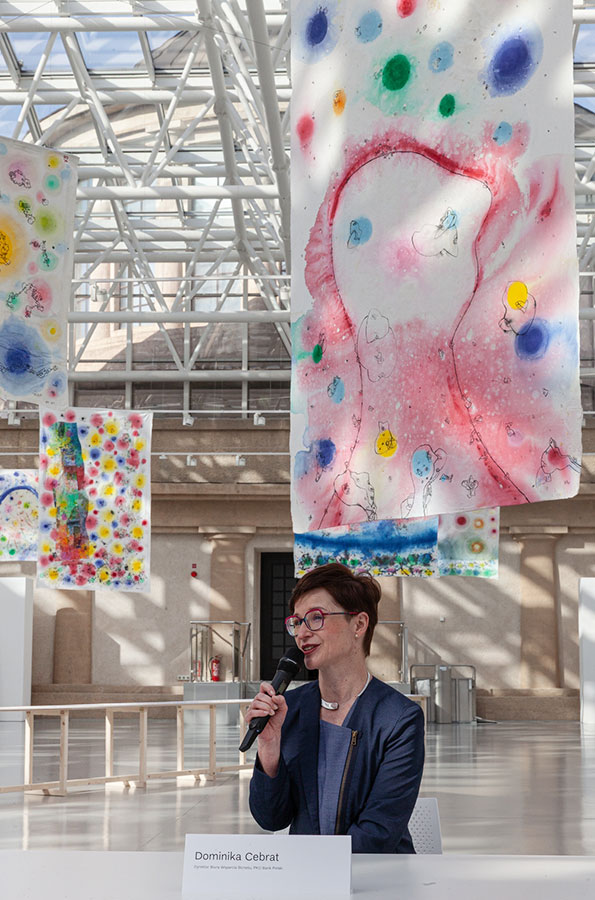
↡ Press conference
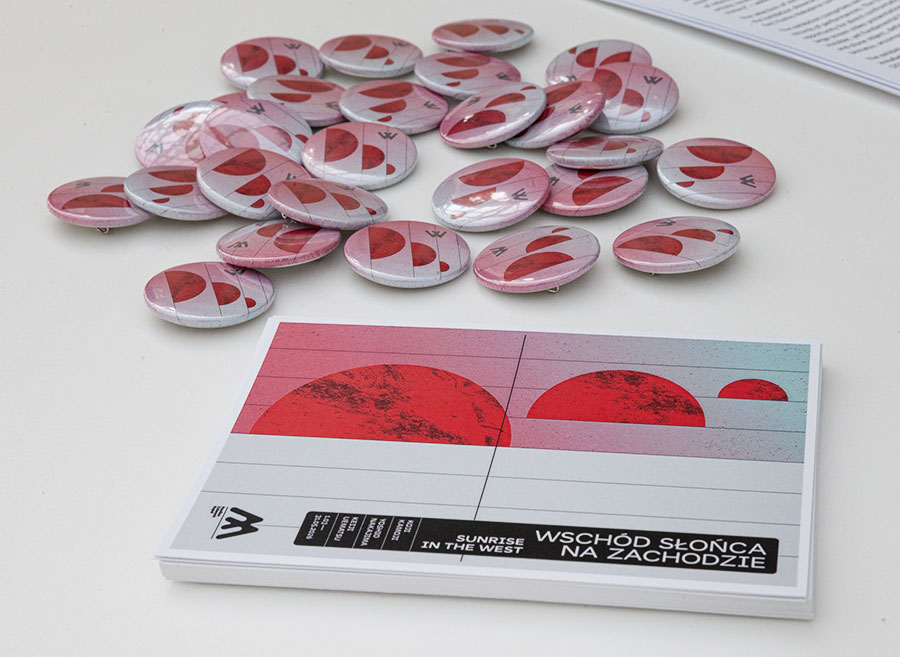
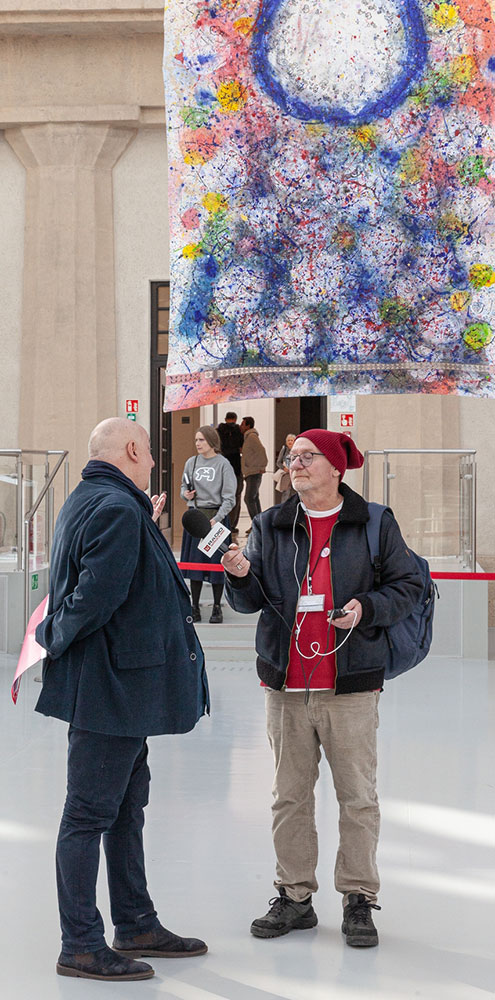
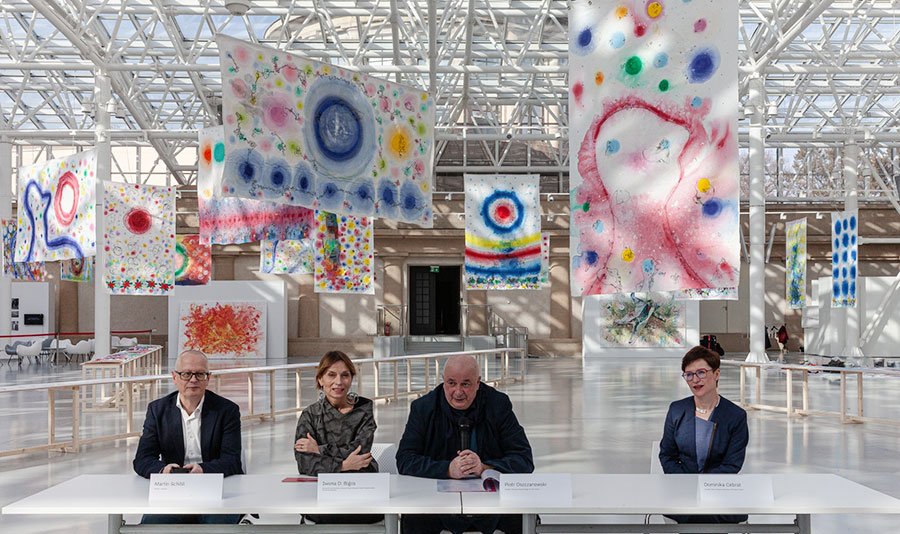
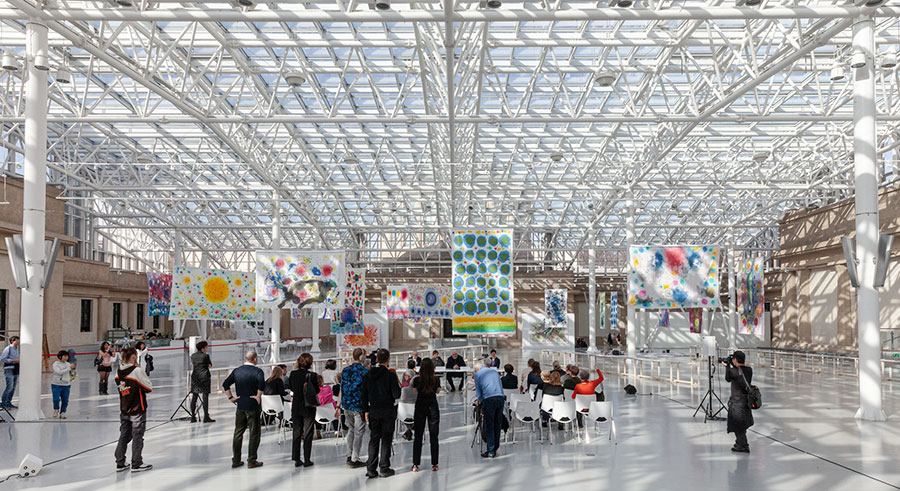
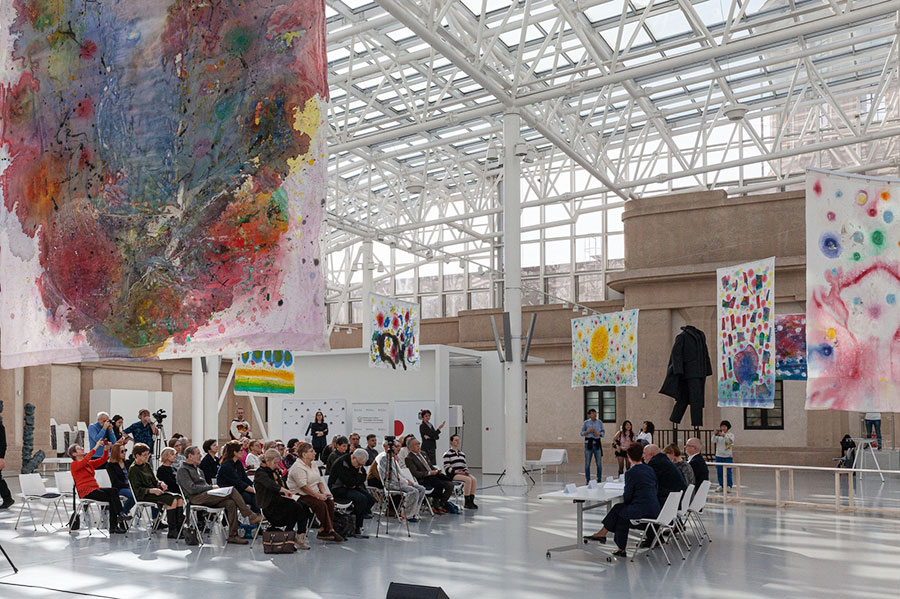
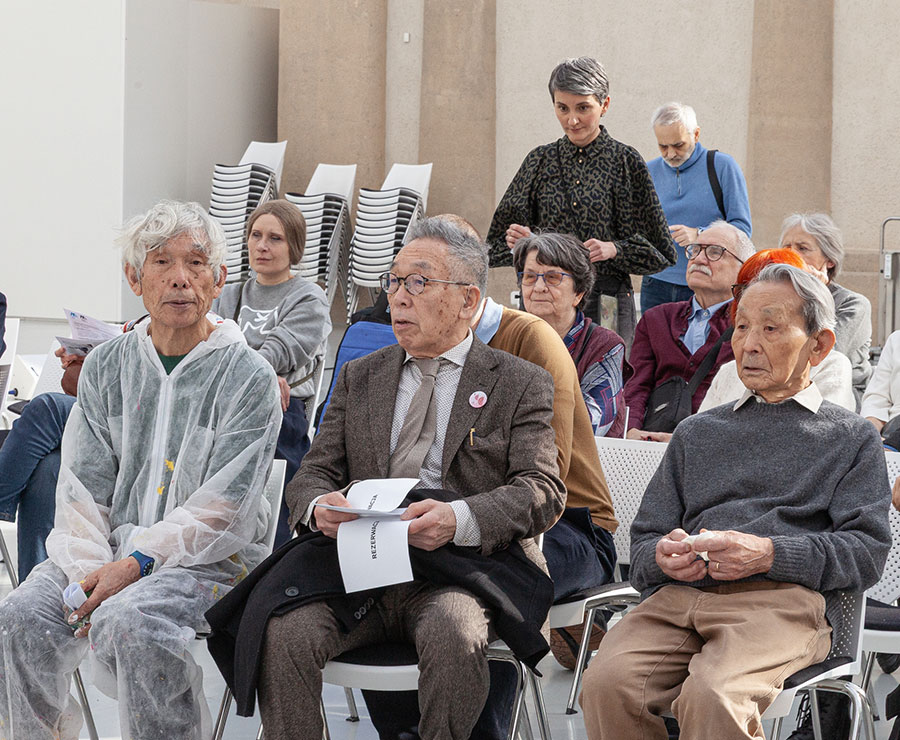
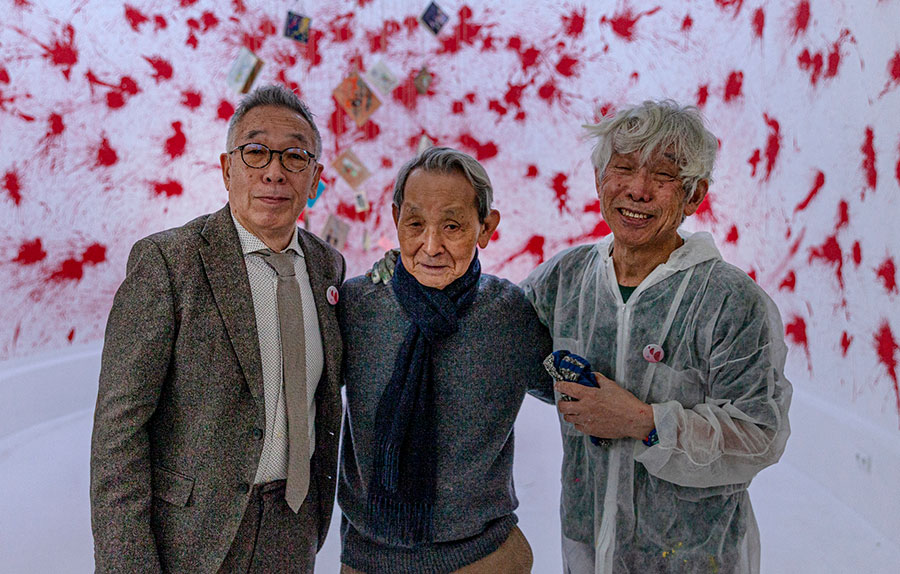
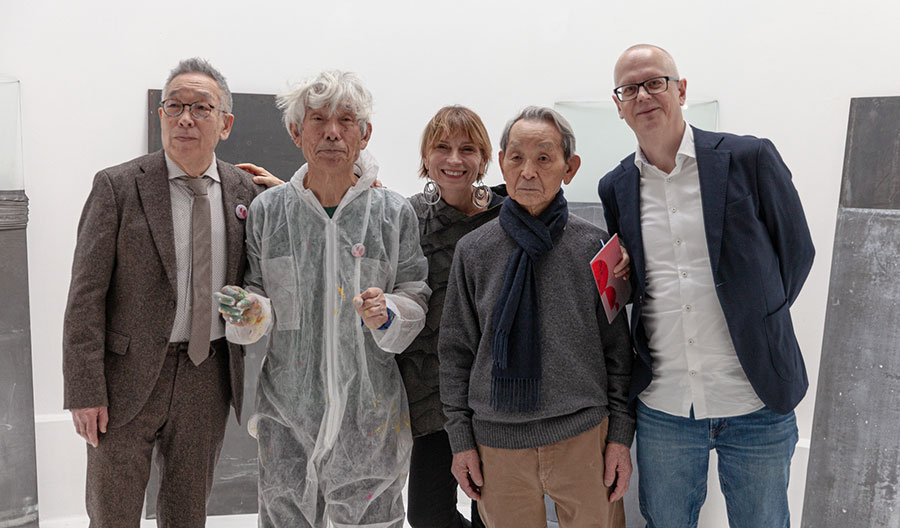
Fot. Arkadiusz Podstawka
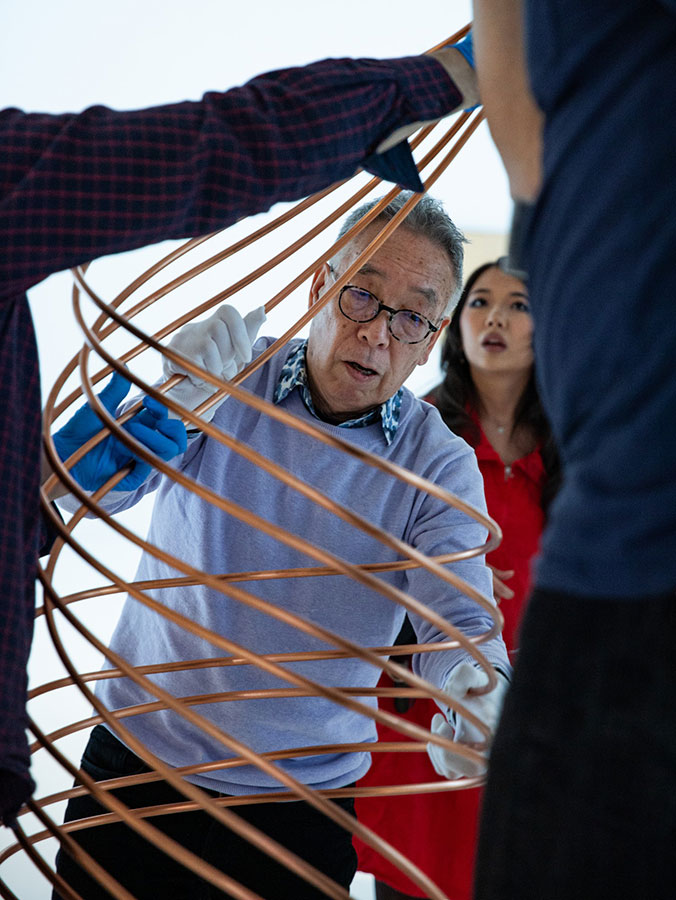
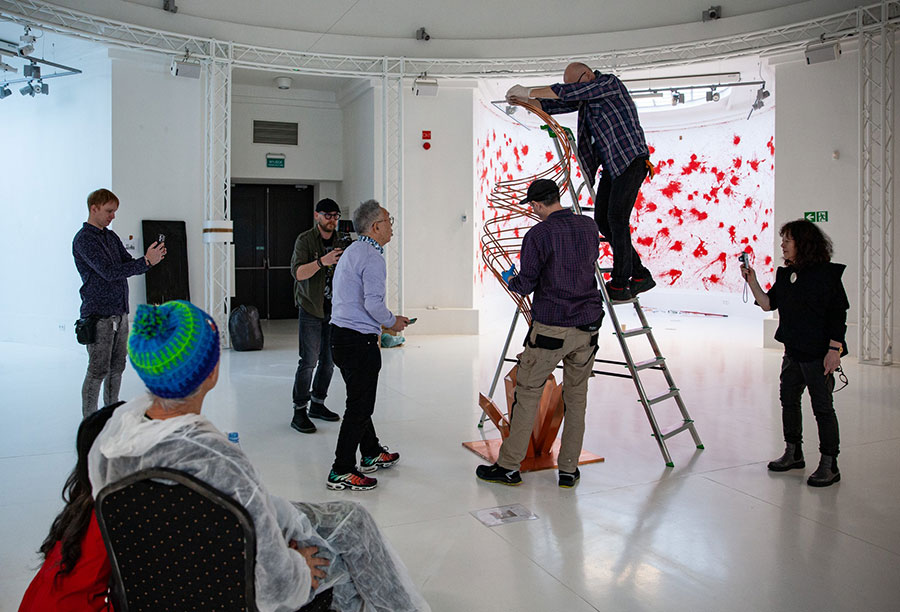
↡ Preparations for the exhibition
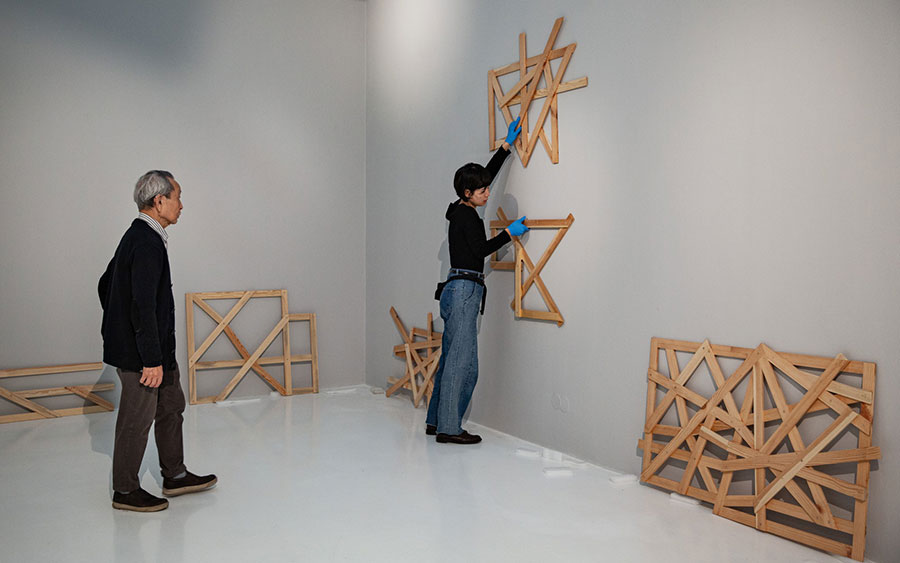
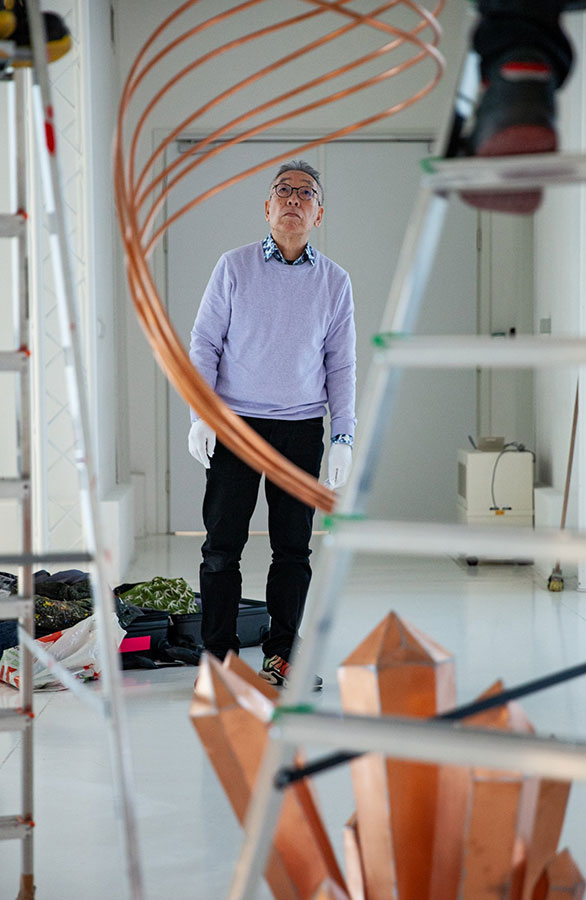
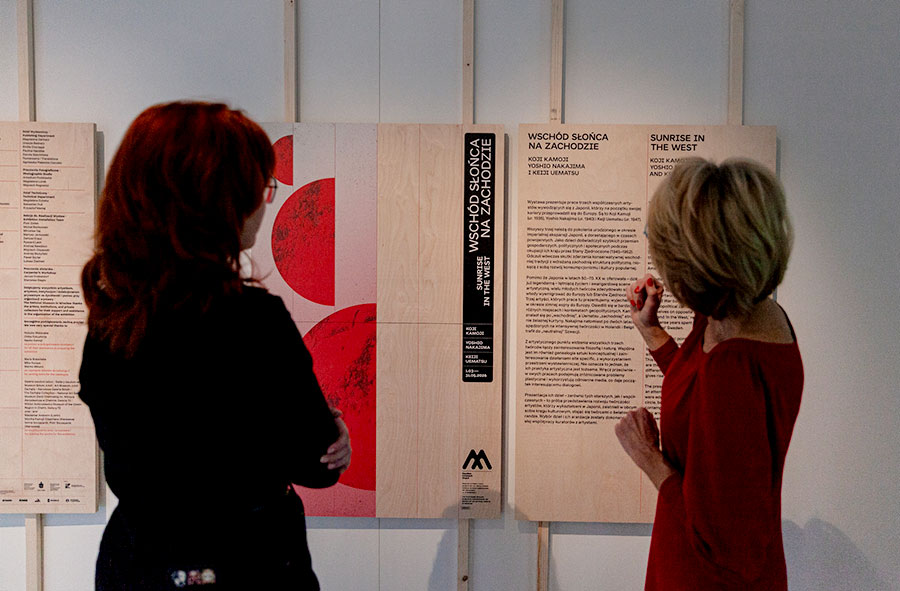
Fot. Magdalena Lorek