
16 May – 16 August 2026
Curator of the exhibition: Marta Derejczyk
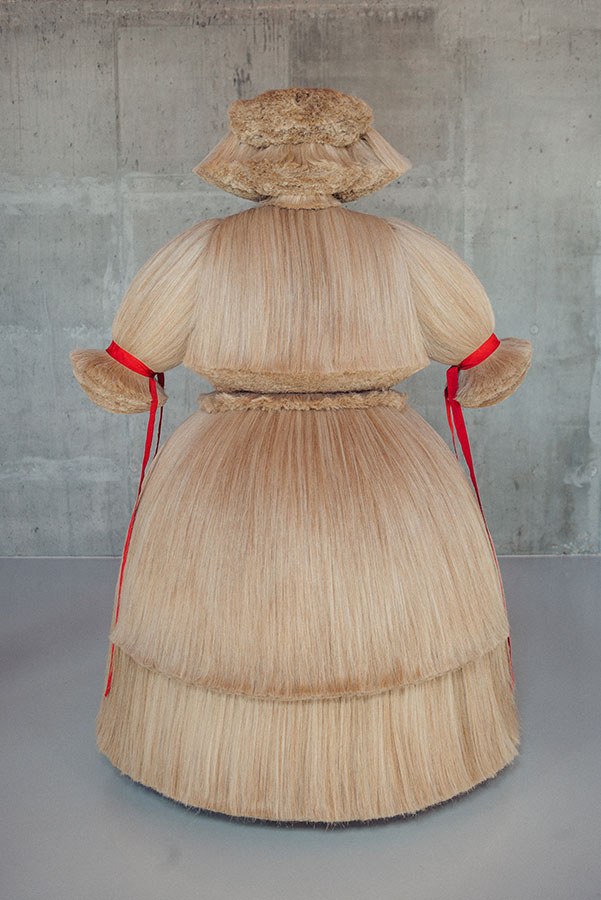
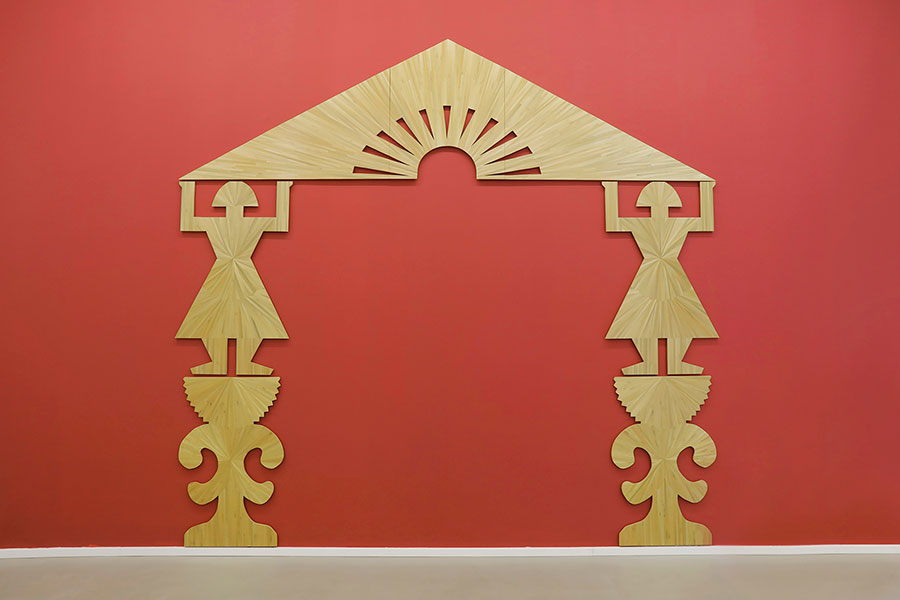
How is the image of women in art and the way of its presentation changing? In what way is it affected by the ongoing political and socio-cultural processes? In the exhibition at the Ethnographic Museum, works by the contemporary artist Ala Savashevich encounter artefacts of folk culture, and together create a multifaceted narrative about women’s work and efficacy.
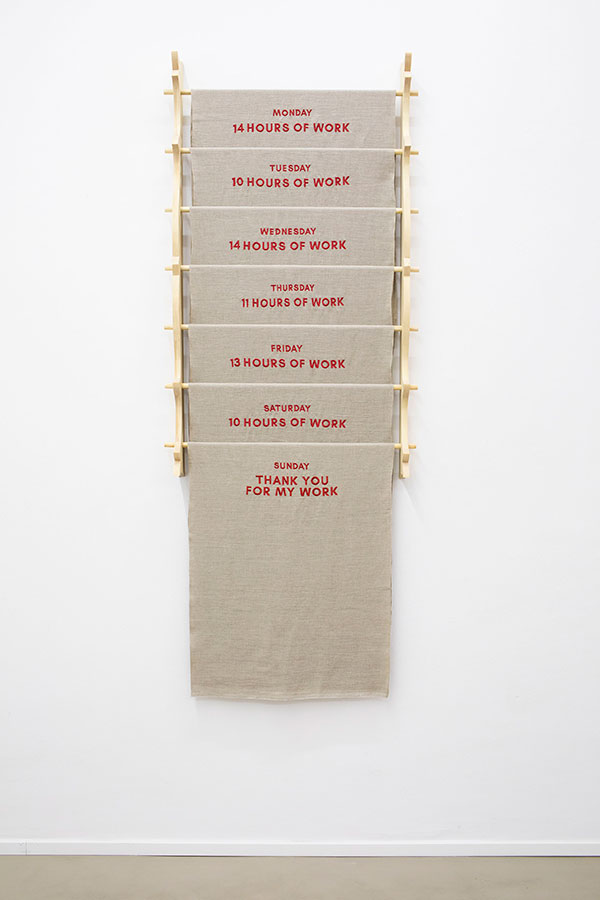
In recent years Ala Savashevich has been exploring in her art the subject of women’s work. The artist, who originated from rural Belarus, was brought up in the cult of hard work. “Her consistently realised artistic practice raises significant issues: is it possible to understand the meaning of work without actually doing it? How are the carried-out actions registered in our bodies? Finally, do we want to remember the experiences of our female ancestors, and in what way do we want to recall them?”, asks the curator of this exhibition, Marta Derejczyk.
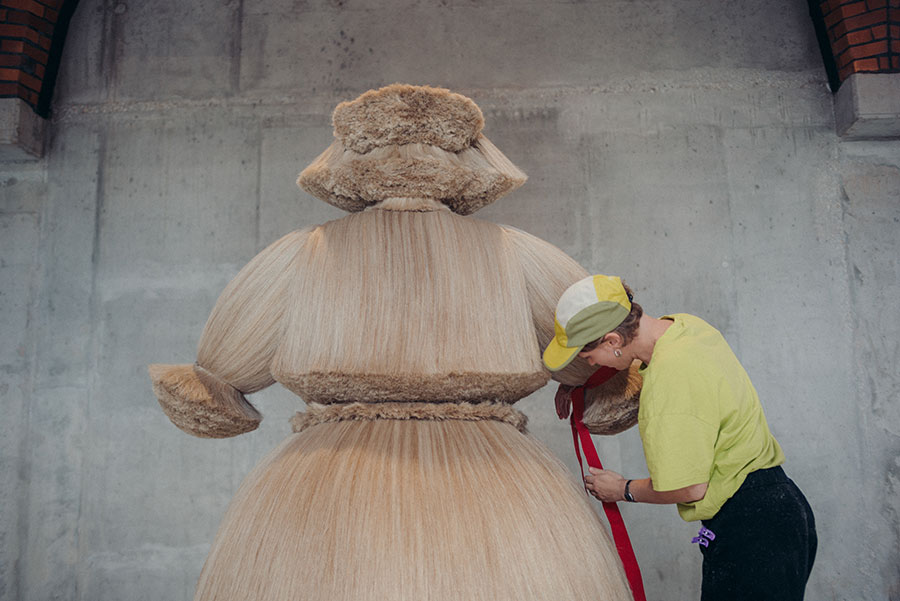
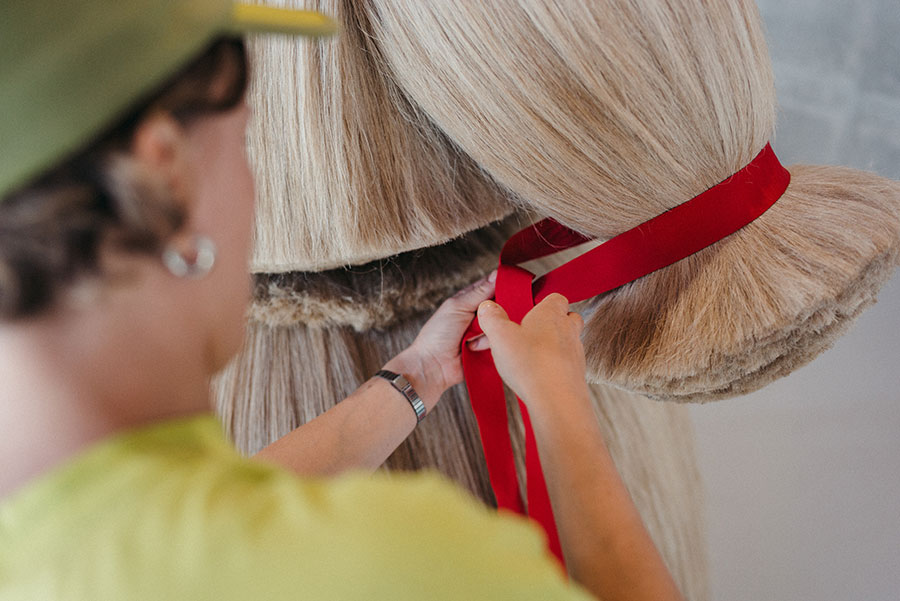
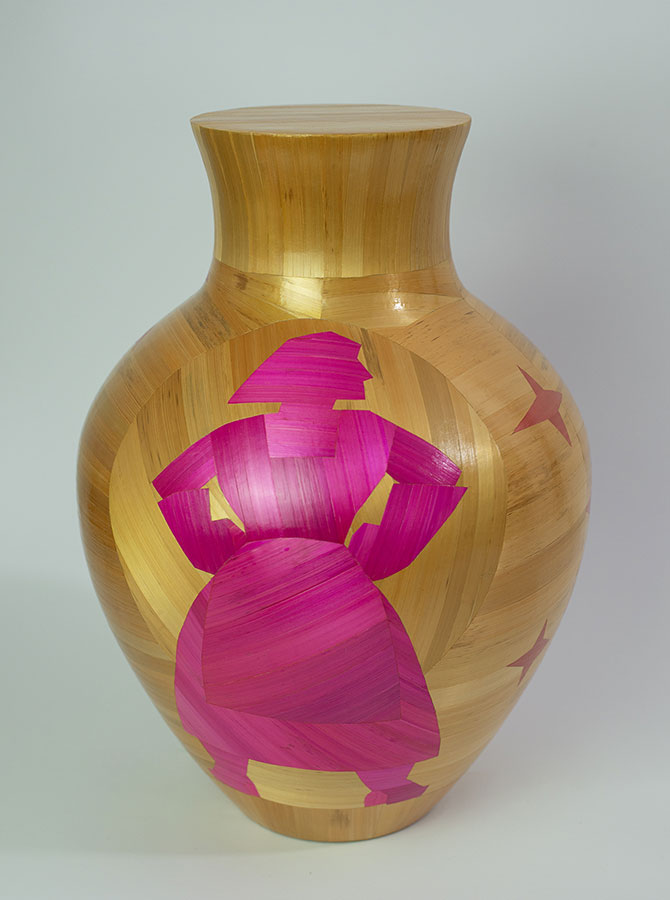
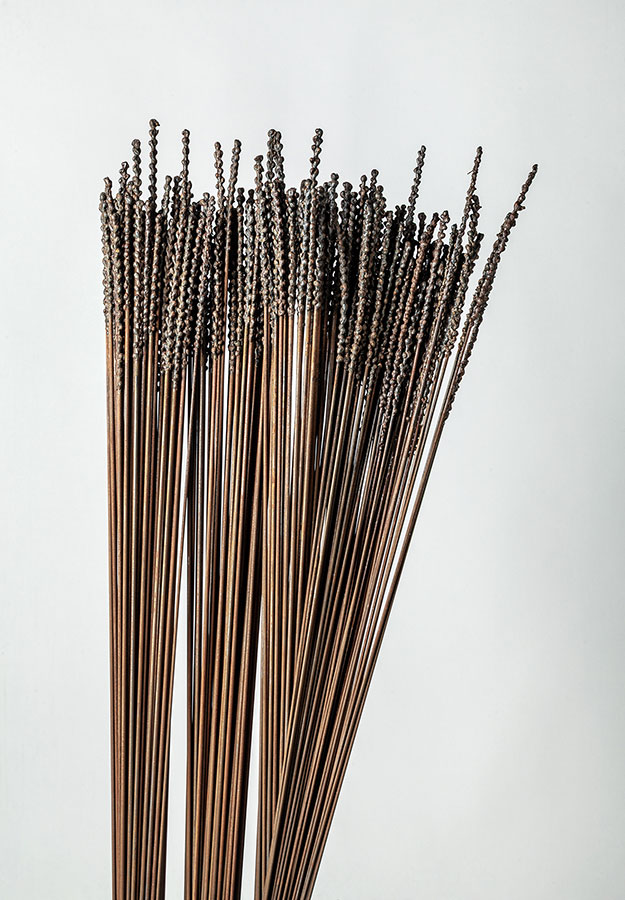
The artist purposefully selects materials and techniques which are both labour and time consuming. She works using straw, metal and flax yarn, devoting many days to tedious stretching, brushing and combining these materials. The exhibition presents the artist’s works created in recent years along with the artefacts from the collection of the Ethnographic Museum in Wrocław.
Ala Savashevich, Wrocław-based artist of Belarus origin (b. 1989) creates sculptures, installations and videos. She studied sculpture at the Belarus State Academy of Arts in Mińsk and the Eugeniusz Geppert Academy of Fine Arts in Wrocław, and is now a PhD student at the Academy of Fine Arts in Kraków. The artist addresses the themes of collective memory and the formation of identity in societies affected by the experience of authoritarian and patriarchal rule. She is particularly interested in the mechanisms of socialisation for the role of a woman within the family and educational structures, and by the gender-based division of labour. Working through the history of exploitation and violence, Savashevich also visualises perspectives of regaining empowerment, freedom and solidarity. The artist employs diverse media of artistic expression, creating sculptures, videos, and performances, while often exploring the boundaries of her own body as an instrument serving to show expressiveness and resilience.