
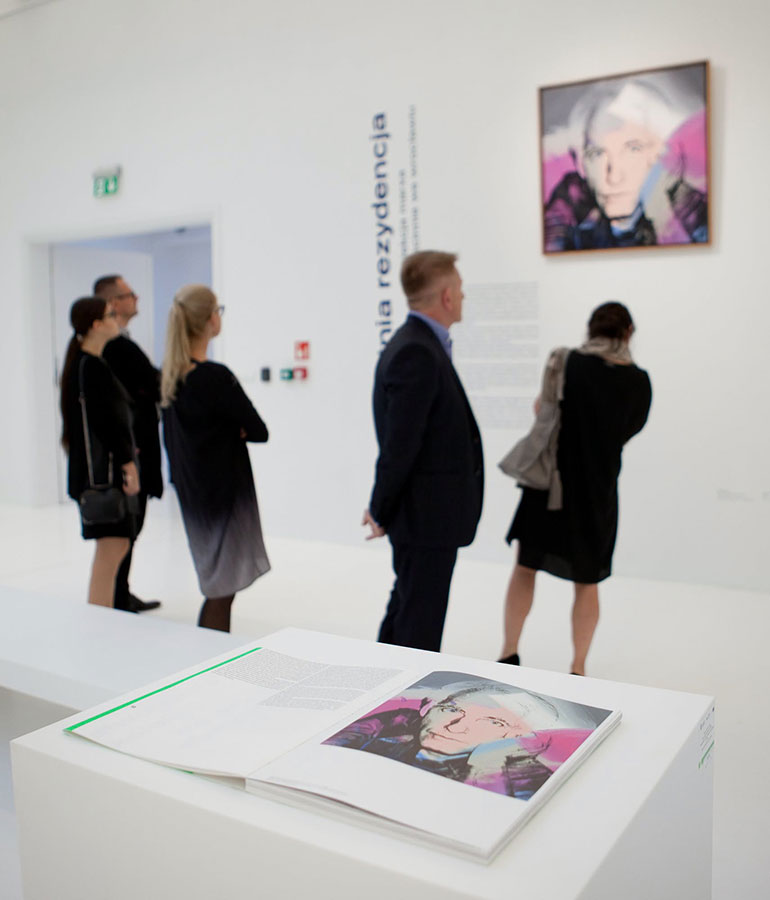
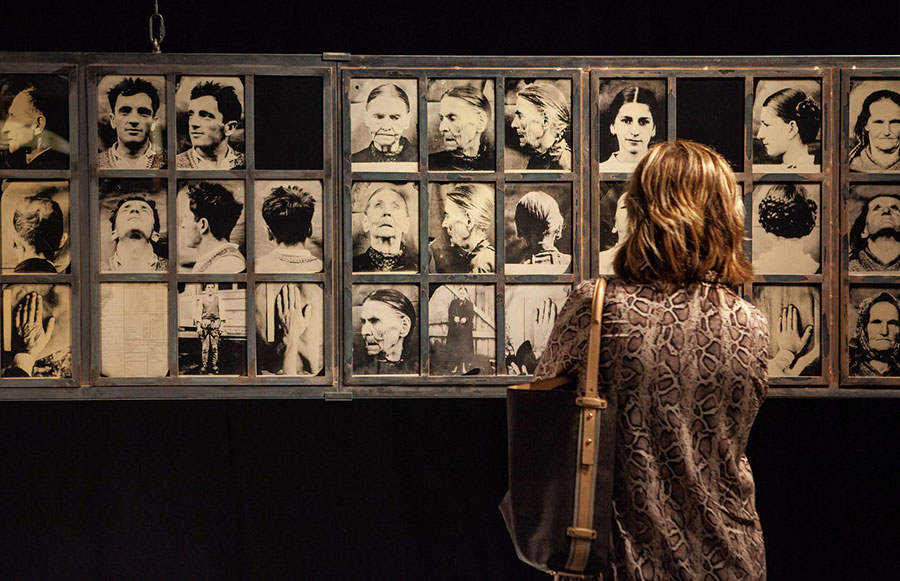
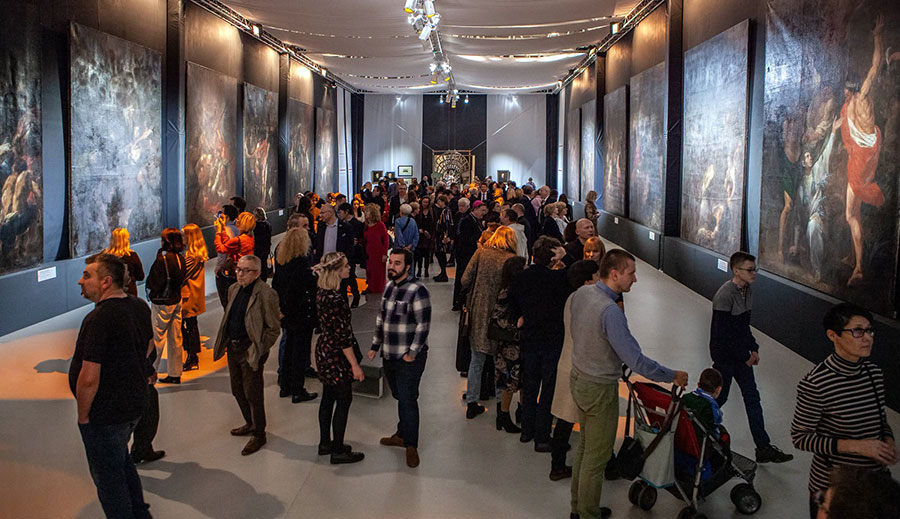
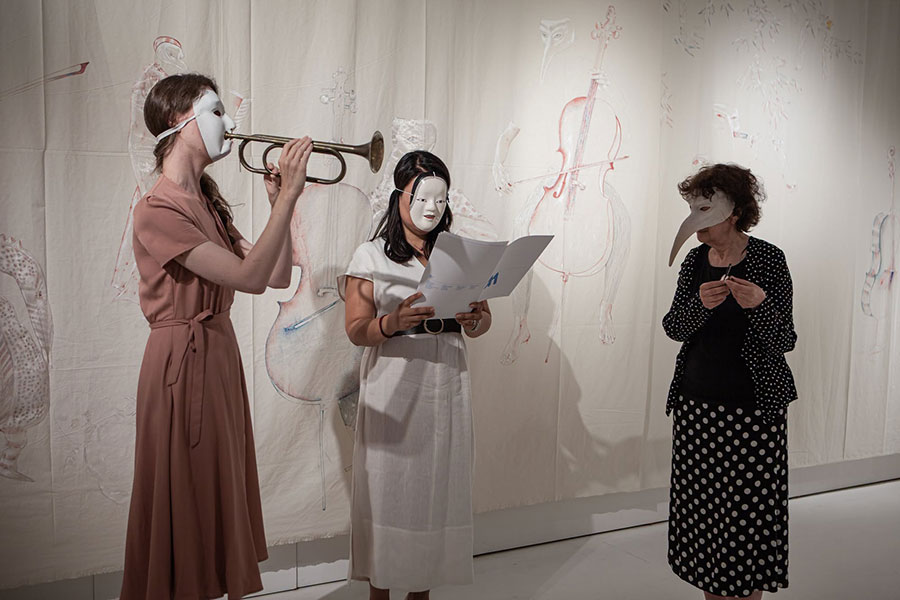
Over 650 thousand visitors, 40 organised temporary exhibitions, nearly 30 thousand events and 2064 works of art added to the Museum collection, as well as its own theatre – this is a concise summary of the ten years of the activity of the Four Domes Pavilion, the youngest branch of the National Museum in Wrocław.
The institution prepared, among others, great retrospective exhibitions of works by Magdalena Abakanowicz, Ewa Kuryluk, Henry Moore and Maria Pinińska-Bereś, while exhibited works by international artists included eminent names such as Andy Warhol, Cindy Sherman, Otto Piene, Günther Uecker and Robert Rauschenberg.
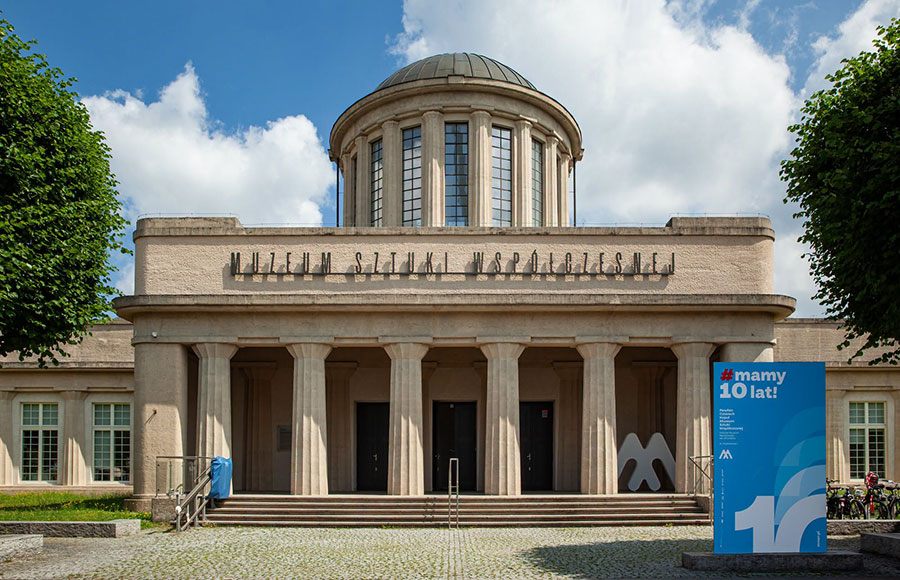
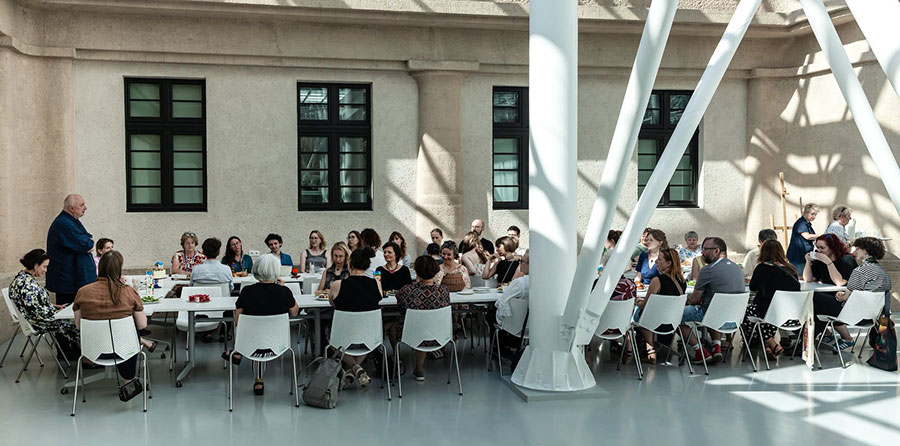
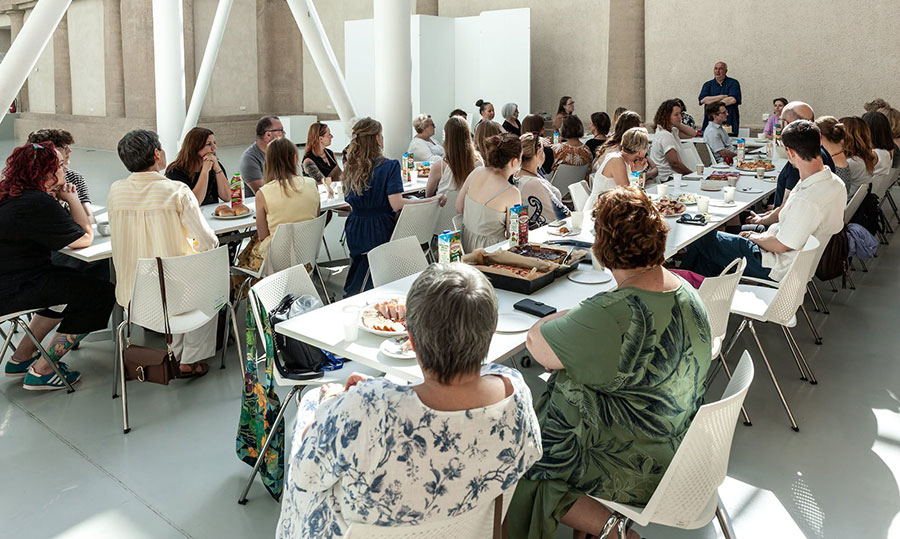
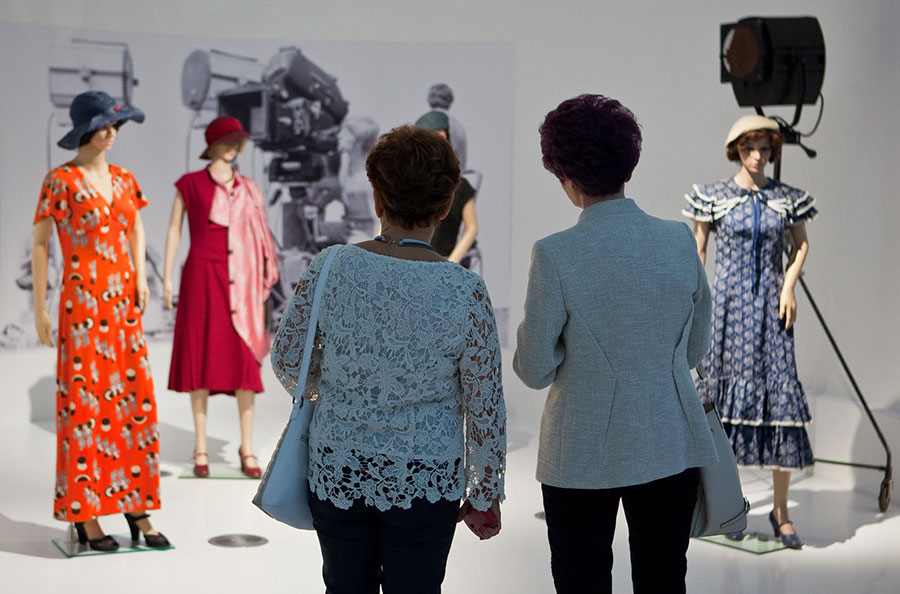
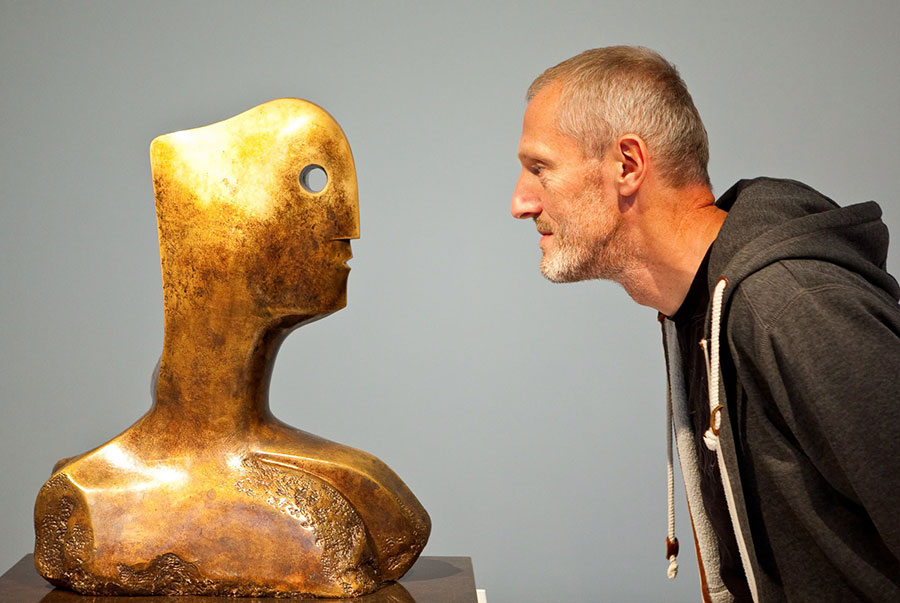
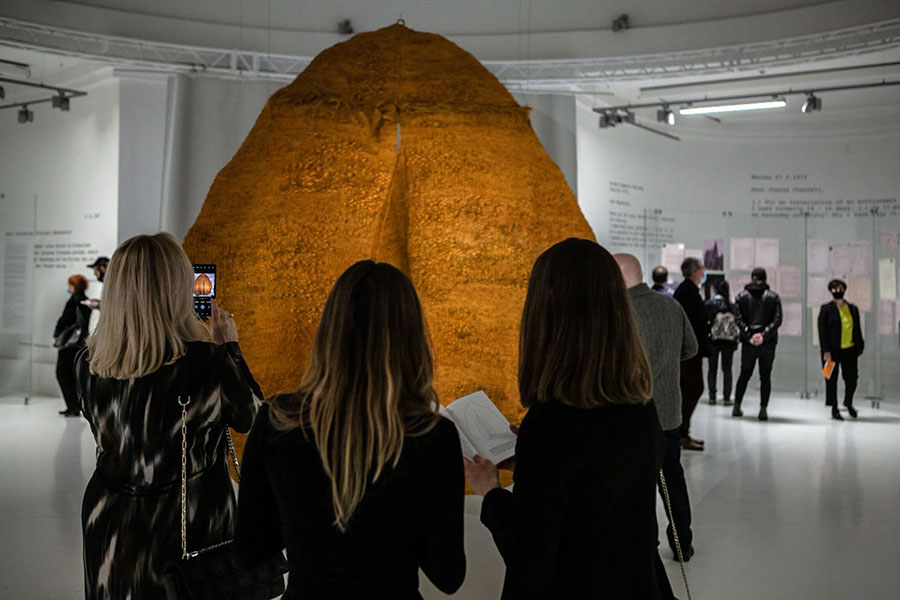
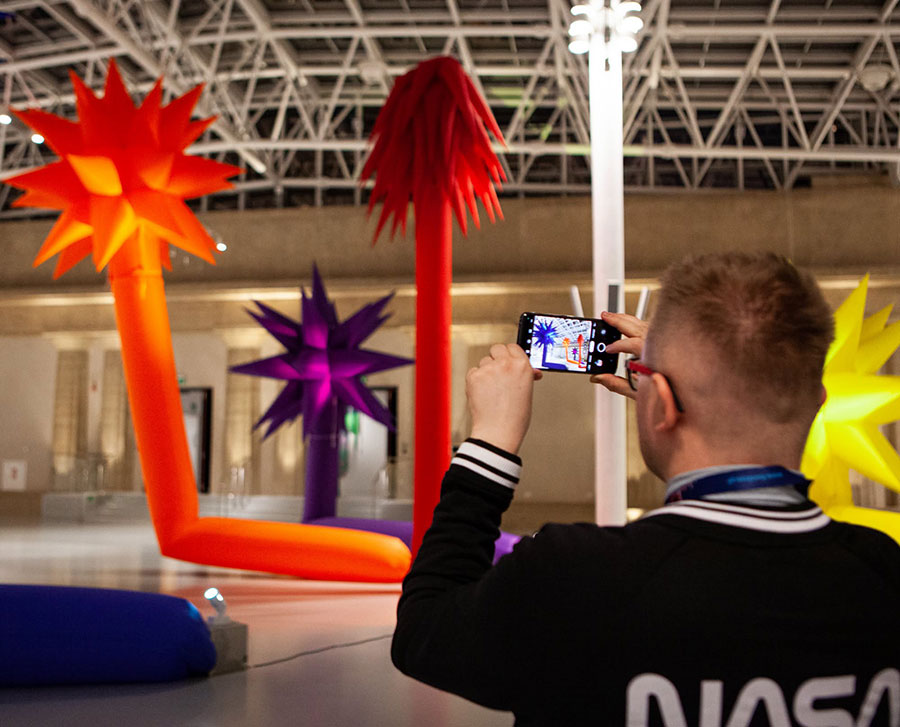
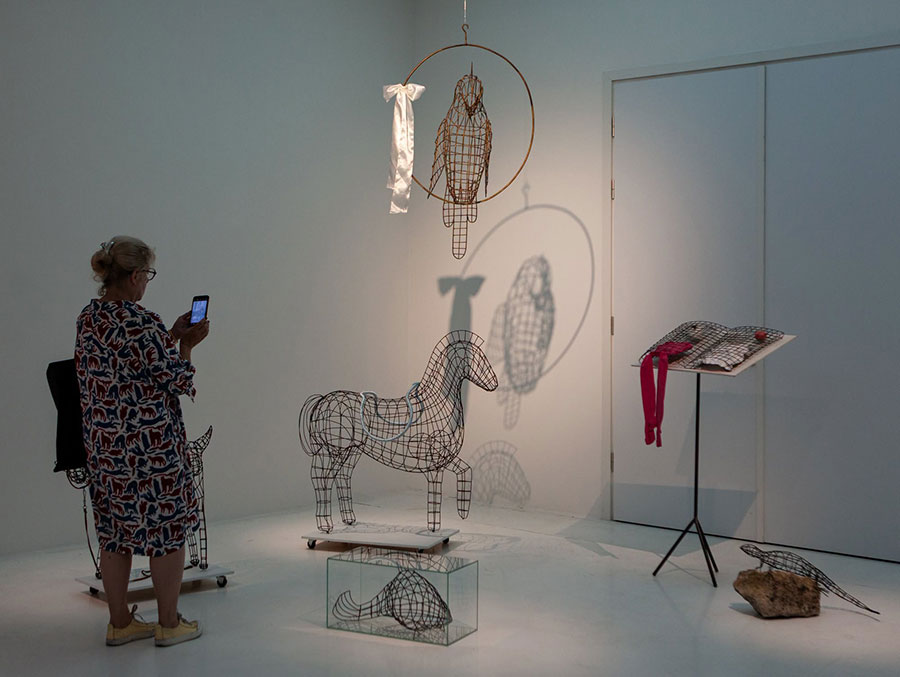
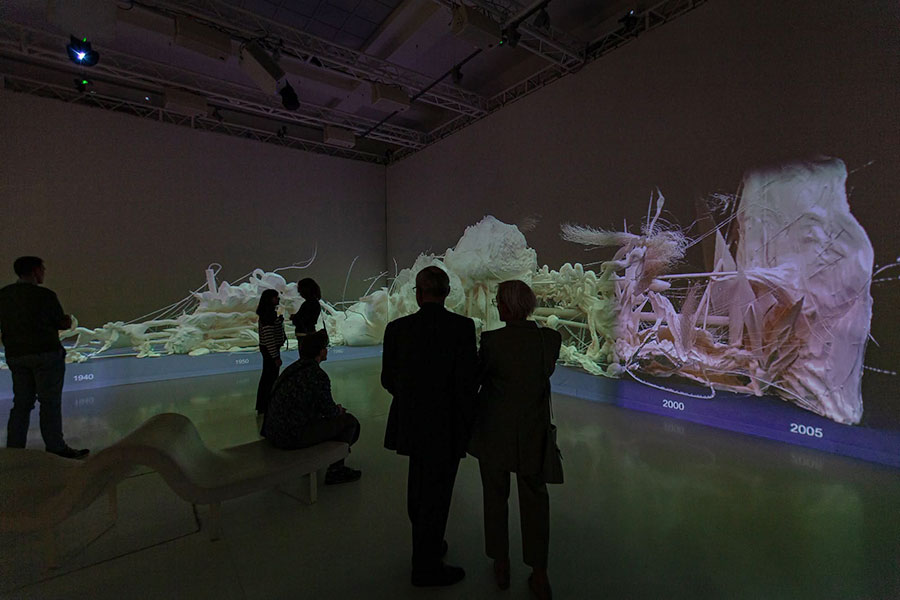
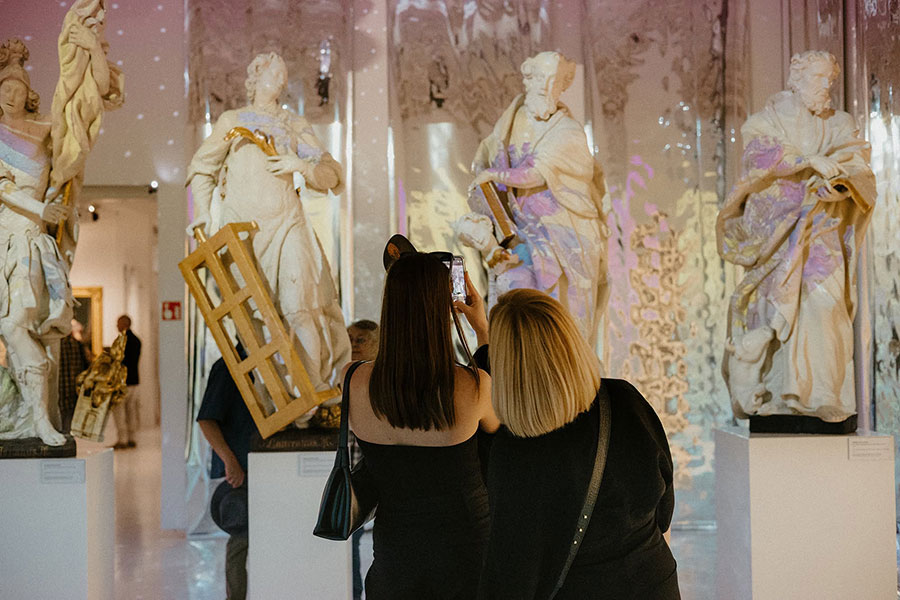
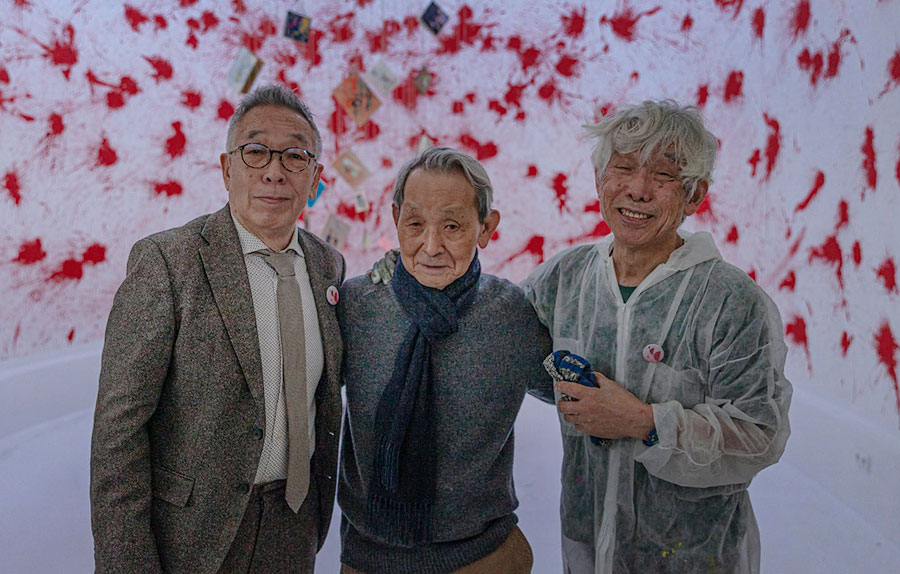
Fot. M. Lorek, A. Podstawka, W. Rogowicz
The official inauguration of the Museum of Contemporary Art – Branch of the National Museum in Wrocław took place on 25 June 2016. Its chosen location was the Four Domes Pavilion, constructed in 1912–1913 and designed by the eminent architect Hans Poelzig. The building is a part of the exhibition complex centred around the Centennial Hall, which in 2006 was included in the UNESCO World Heritage List.
The Pavilion served as an exhibition space up to 1945, and after the Second World War was one of the places used to stage the 1948 Exhibition of the Recovered Territories, and starting from 1953 it housed the Wrocław film studios (Wytwórna Filmów Fabularnych). Many famous Polish productions were filmed there, among which were “The Manuscript Found in Saragossa” by Wojciech Jerzy Has, Andrzej Wajda’s “Ashes and Diamonds”, and the cult comedy of Sylwester Chęciński “Sami swoi”. In 2009 the building became the property of the National Museum in Wrocław, and following the restoration in 2013–2015 regained its original function as an exposition space.
The first exhibition was staged in the Pavilion in 2016, in cooperation with the National Gallery in Berlin and its branch Hamburger Bahnhof, under the title “Summer Residency. A Guest Appearance of the Marx Collection in Wrocław”, which included works by Anzelm Kiefer, Joseph Beuys, and Cy Twombly.
❦ Forthcoming events
Niki de Saint Phalle. Dream Machine
20 March – 9 August 2027
Curators: Heike van den Valentyn, Barbara Banaś and Iwona Dorota Bigos (MNWr)
Iconic Nanas and other large-format figures, famous shooting pictures painted using a rifle, models of plein-air sculptures and documentation of her happenings can be seen at the great exhibition dedicated to the art by Niki de Saint Phalle, inaugurating the 2027 events staged in the Four Domes Pavilion. Apart from pieces created by the French artist, visitors can also see works by, among others, Jean Tinguely, Robert Rauschenberg and Yayoi Kusama.
The art created by Niki de Saint Phalle has not been affected by the passage of time. It continues to attract viewers, while remaining a fascinating subject for scholars both in terms of its formal and aesthetic aspects, as well as motifs and subjects inspiring the artist’s imagination and providing background to her narratives about the world, human relations, traumas, joys, experiences, rebellion and dissent.
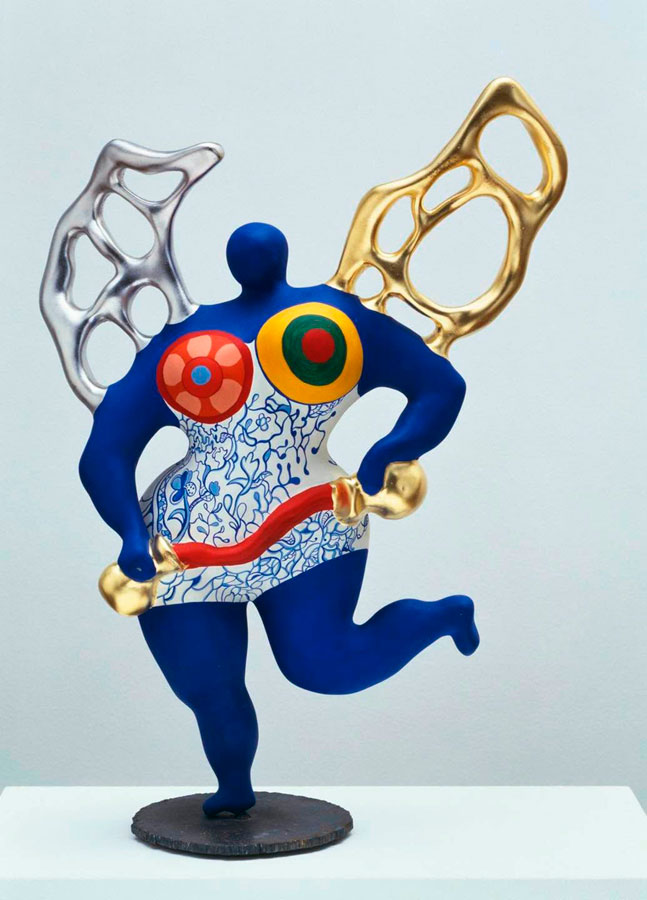
Fot. Herling/Herling/Werner, Sprengel Museum Hannover © Niki Charitable Art Foundation VG Bild-Kunst, Bonn
However, the exhibition “Niki de Saint Phalle. Dream Machine” is not merely an attempt to show the multi-strand work of the artist, but also aims to include her creations in a wider context of works by other European artists, for the first time also including Polish ones: Alina Szapocznikow, Maria Pinińska-Bereś and Ewa Kuryluk.
The curators focused on Niki de Saint Phalle as a feminist activist, who in radical terms questioned privileges of masculine power and used her art to fight discrimination against women based on gender. Her provocative performances, world-famous sculptures from the series Nanas, and scandalous theatrical shows confirm her determination to affect a fundamental change in society.
The exhibition follows the artist’s path to her self-realisation within the male-dominated artistic milieu. The exceptional standing of Niki de Saint Phalle becomes clear in a dialogue with selected works of friends and other contemporary artists such as Jean Tinguely, Robert Rauschenberg, Yayoi Kusama and Dorothy Iannone.
Ths is the first time that direct references to other female perspectives are being presented on a wider scale. In the context of including in the narrative of this exhibition Polish women artists, who in the 1960s and 1970s took up similar themes, this brings the possibility of taking a broader look at works of art by women not afraid to break away from the official canons, and who by creating their own language aimed to transmit in their art what then seemed immaterial and today is slowly gaining more appreciation.
The exhibition will open first at Kunstpalast in Dusseldorf from 10 September 2026 to 7 February 2027.
The exhibition at Kunstpalast in Düsseldorf, in collaboration with the National Museum in Wrocław.
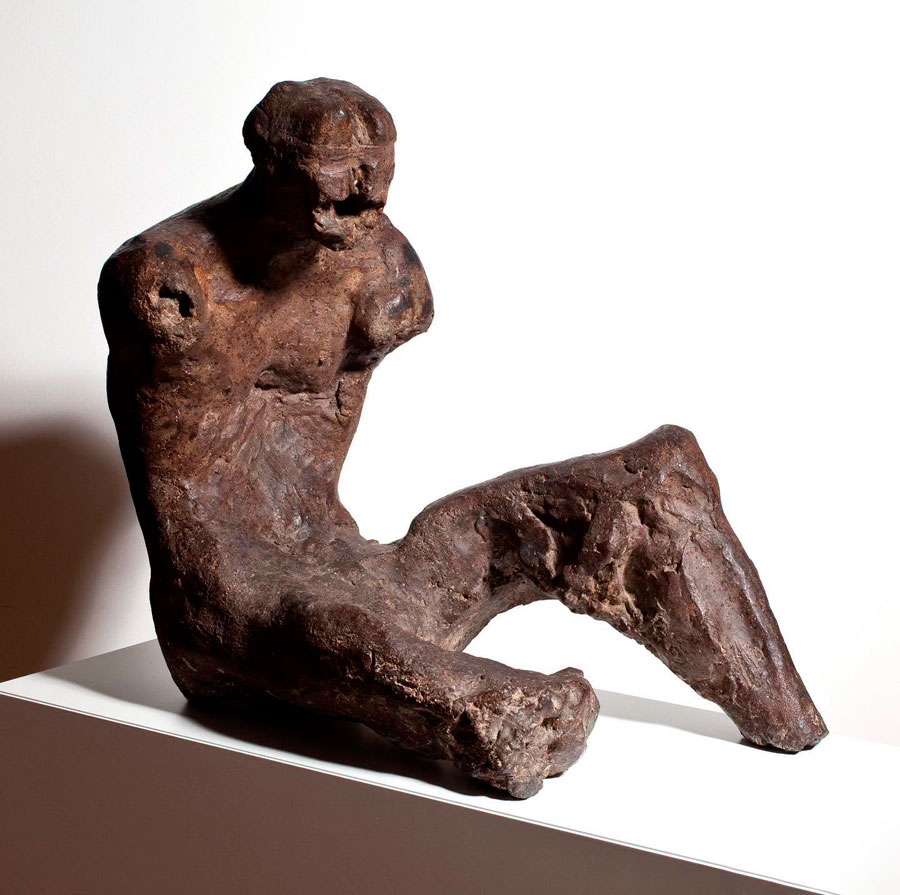
Fot. National Museum in Wrocław
Alina Szapocznikow. Turning Points
October 2027 – February 2028
Curator: Małgorzata Micuła
A retrospective of one of the most unique Polish female artists, and at the same time the first comprehensive exhibition of her works from the collection of the National Museum in Wrocław. The show is another stage in the exposition project dedicated to prominent Polish women sculptors realised in recent years in the Four Domes Pavilion Branch of the National Museum in Wrocław.
The hundredth birthday of Alina Szapocznikow taking place in 2026, along with celebrations of the France-Poland Season in 2027, provide an opportunity to present the wealth of formal and ideological aspects of the artist’s work.
The aim of the exhibition – apart from highlighting the pioneering role of Szapocznikow in the development of contemporary phenomena and artistic sensibilities – is to show her work against the background of intensive political and socio-cultural changes occurring in post-war Europe. The turning points mentioned in the title of the exhibition, understood as moments of breakthrough, introduce into the structure of the display the context of time, with clearly marked points of the years 1949, 1955, and 1968, helping to place and explain the artist’s work in relation to the reality in which she created.
Szapocznikow’s work, recognised by art historians world-wide as proto-feminist and subject to the discourse on women’s emancipation, is shown here as being also conditioned by factors such as migration, cultural policy, changing access to realm of art and the ways of being present within it, as well as the artist’s relationships with Polish and international art scene.
At the same time the exhibition shows Szapocznikow as an active protagonist in changes within the medium of sculpture, an attachment to which she declared throughout her entire career, yet not avoiding confrontation with the tradition and exerting a strong influence on its development from the 1950s onwards.